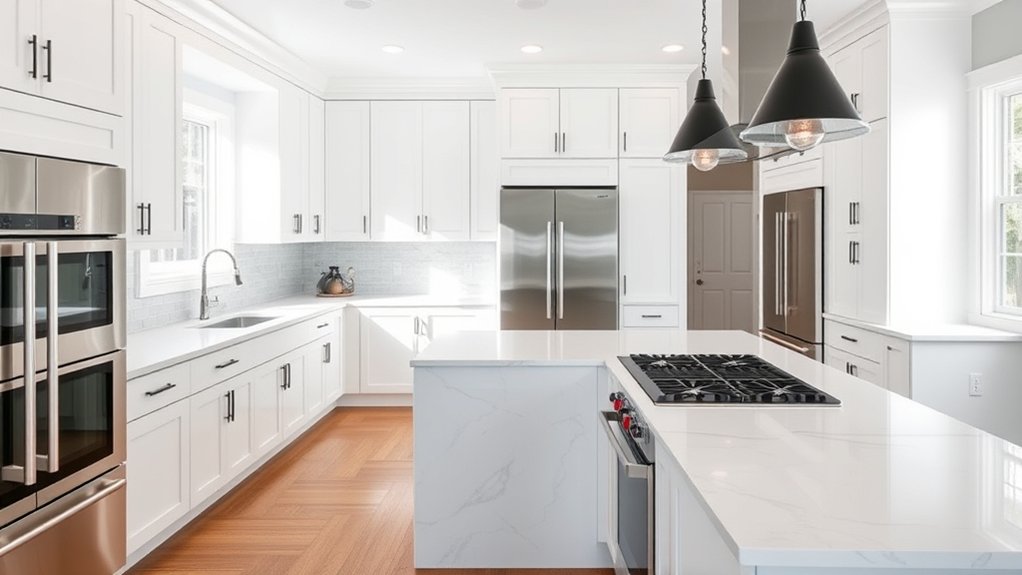
How Much Does a New Kitchen Cost in 2027?
Planning a kitchen remodel can feel overwhelming, especially when costs vary so widely. You’re not alone—many homeowners struggle to figure out what a realistic budget looks like.
In 2027, you’ll typically spend between $15,000 and $75,000 on a kitchen remodel, with most homeowners landing around $35,000 for a solid mid-range upgrade. The cost of a new kitchen depends heavily on its size, quality level, and scope, whether you’re doing a cosmetic refresh or a full gut renovation.
Cabinets, countertops, and appliances drive most of your budget, while hidden costs and labor shortages can add surprises. Keep reading to see exactly where your money should go.
Key Takeaways
- Average kitchen remodel costs range $15,000–$75,000 in 2027, with mid-range projects averaging around $35,000.
- Kitchen size matters: small kitchens cost $15,000–$25,000, mid-size $25,000–$45,000, and large kitchens $50,000+.
- Quality level drives price: budget finishes start at $10,000, while high-end custom kitchens exceed $50,000.
- Cabinets consume 30–40% of your budget, so prioritize spending on cabinets, countertops, and appliances.
- Budget a 20% contingency fund for hidden costs like rot, rewiring, permits, and labor shortages.
How Much Does a Kitchen Remodel Cost in 2027?
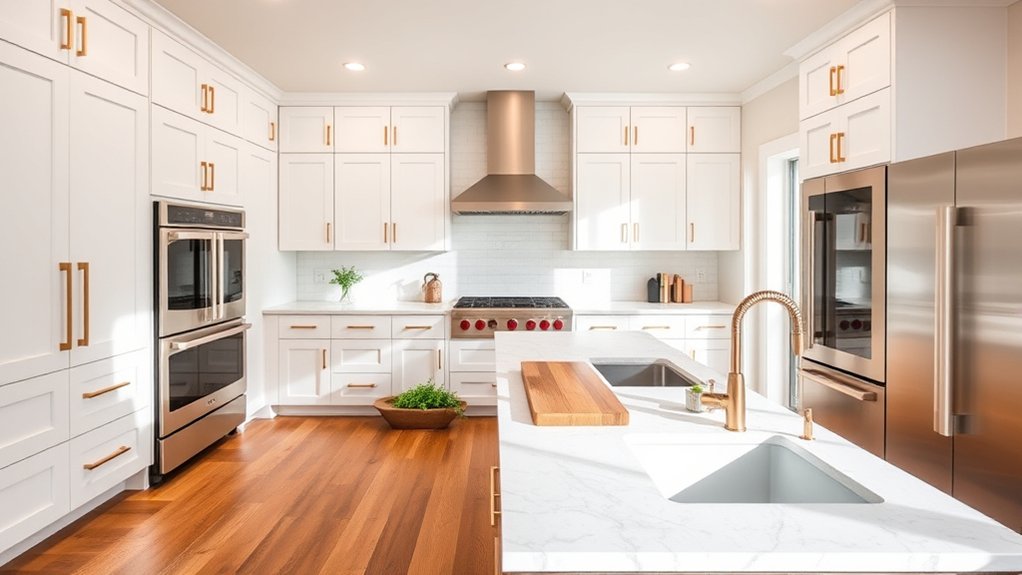
When you’re planning a kitchen remodel in 2027, you’ll typically spend between $15,000 and $75,000, with most homeowners landing around $35,000 for a mid-range renovation. Your final cost depends on the scope of work, materials you choose, and how much structural change you’re making.
If you’re just refreshing finishes, you’ll pay on the lower end. Updating countertops, cabinet hardware, and kitchen accessories can run $5,000 to $15,000 and deliver noticeable visual impact without touching layout or plumbing.
Appliance upgrades add another layer of cost, with high-end refrigerators, ranges, and dishwashers pushing your budget toward $10,000 or more depending on brand and features.
Full gut renovations that move walls, relocate plumbing, or reconfigure electrical systems push you toward the higher end of the range, often exceeding $50,000. Labor costs, permit fees, and unexpected issues like water damage or outdated wiring can also increase your final price tag significantly.
Does Kitchen Size Change Your Remodel Cost?
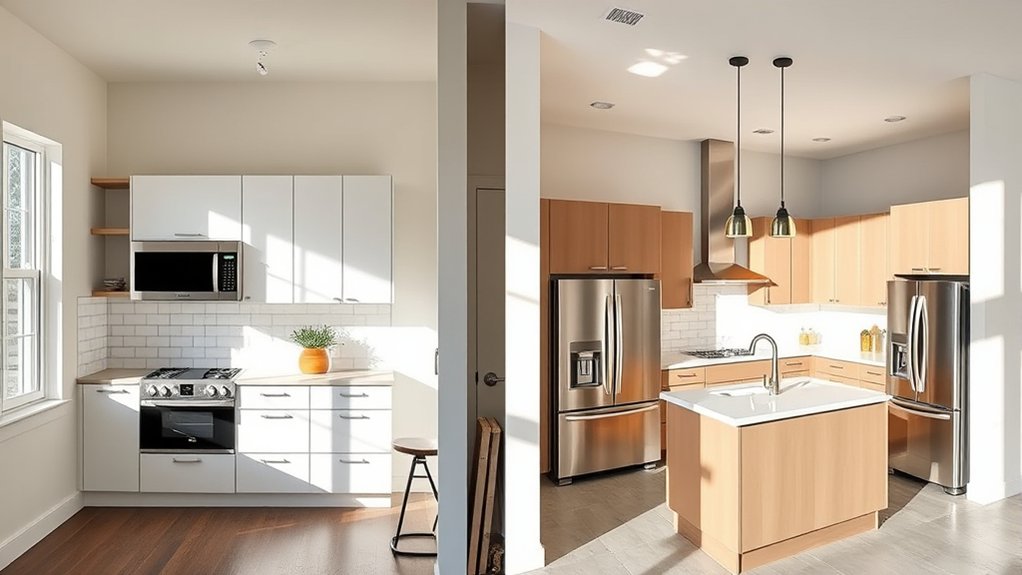
Square footage drives your kitchen remodel budget more than almost any other factor. A small kitchen under 100 square feet typically costs $15,000 to $25,000 to remodel, while a mid-size kitchen between 100 and 200 square feet runs $25,000 to $45,000.
Large kitchens over 200 square feet often reach $50,000 or more once you factor in materials, labor, and finishes.
Bigger spaces mean more cabinets, more countertop material, and more flooring to cover, all of which add up quickly. You’ll also pay more for kitchen lighting since larger layouts need additional fixtures to properly illuminate work zones and dining areas.
Appliance upgrades can shift your costs too, especially if you’re adding a second oven, wine fridge, or larger refrigerator to fill the extra space.
Before setting your budget, measure your kitchen accurately and decide which upgrades matter most so you can prioritize spending where it counts.
Budget vs. Mid-Range vs. High-End Kitchen Remodels
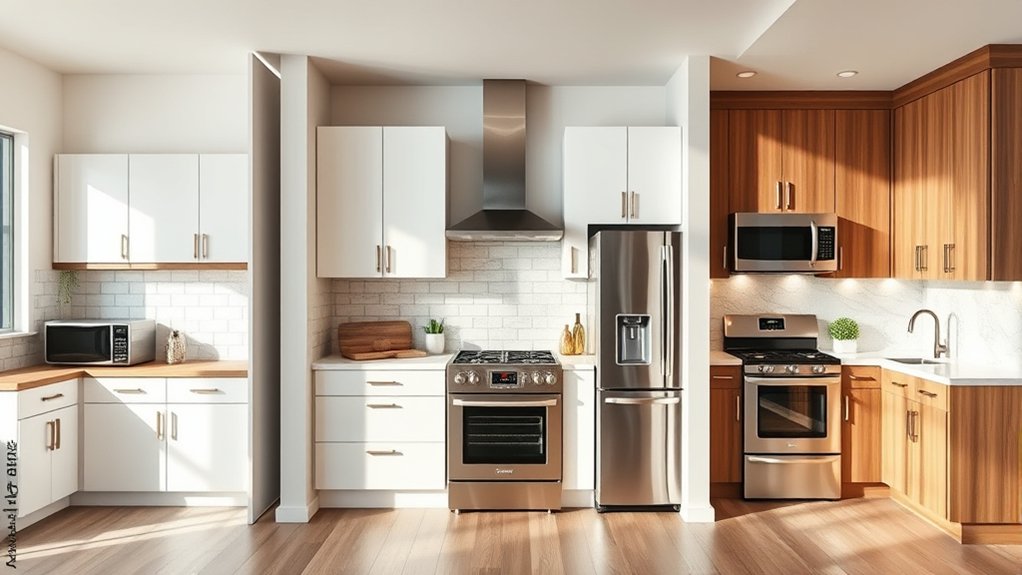
Once you know your kitchen’s square footage, the next question is how much quality you want to pay for. Your remodel’s finish level affects your bottom line just as much as size does, so understanding the three tiers helps you set realistic expectations.
Size tells you how big your kitchen will be—finish level tells you how much that size will actually cost.
- Budget ($10,000-$25,000): Stock cabinets, laminate counters, and basic fixtures keep costs low while still invigorating the space.
- Mid-Range ($25,000-$50,000): Semi-custom cabinets, quartz counters, an artistic backsplash, and eco friendly appliances deliver style and function without breaking the bank.
- High-End ($50,000+): Custom cabinetry, premium stone surfaces, smart technology, and designer lighting create a showstopping kitchen built to impress.
Your choice depends on how long you plan to stay in your home and your personal priorities. If resale value matters most, mid-range upgrades typically offer the best return. If you’re building your forever kitchen, investing in high-end finishes makes sense.
What Drives Up Kitchen Remodel Costs: Cabinets, Counters, Appliances
Three categories eat up most of your kitchen remodel budget: cabinets, countertops, and appliances. Cabinets alone can consume 30-40% of your total spend, especially if you choose custom builds over stock options. Countertops vary wildly too—laminate costs a fraction of quartz or granite, but you’ll sacrifice durability and visual appeal.
Appliances hit your wallet differently depending on which appliance brands you select. Budget-friendly options get the job done, while premium brands add thousands to your final bill without necessarily improving function.
Your kitchen decor choices compound these costs. Hardware, lighting fixtures, and backsplash tiles seem minor individually, but they add up fast when you’re outfitting an entire space. High-end finishes on cabinets and counters often push homeowners into luxury appliance territory too, since mismatched quality looks jarring.
Prioritize where you’ll see daily impact—countertops and appliances typically matter more than decorative extras for long-term satisfaction with your investment.
Full Gut Renovation vs. Refresh: Which Kitchen Remodel Costs More?
When planning your 2027 kitchen project, one of the biggest decisions is whether to gut the space down to the studs or refresh what’s already there. A full renovation can involve plumbing, electrical, layout changes, and new surfaces throughout. A refresh, on the other hand, focuses on cosmetic updates like paint, hardware, and countertops without moving walls or pipes.
The two approaches can come with very different price tags, so it’s worth comparing their costs before you commit.
Scope of Work Differences
Two kitchen projects can share the same square footage and still land $40,000 apart, simply because of how much you tear out. A refresh keeps your existing layout, plumbing fixtures, and electrical paths intact, so you’re swapping finishes rather than rebuilding systems.
A full gut renovation strips everything down to the studs, opening the door to relocating walls, upgrading interior lighting, and rerouting plumbing lines entirely.
Here’s what typically separates the two scopes:
- Refresh: New cabinet fronts, countertops, and paint without moving plumbing or electrical
- Full gut: Demolition of walls, floors, and ceilings down to bare framing
- Hybrid approach: Keeping layout intact while upgrading fixtures and lighting for a partial overhaul
Your contractor’s quote should reflect which category your project actually falls into.
Cost Breakdown Comparison
Because a refresh and a full gut renovation draw from different line items, their price tags differ quickly once you break down the numbers. A refresh typically covers paint, hardware, lighting fixtures, and maybe new countertops—costs that stay contained because you’re not touching structure or systems. You’ll spend a few thousand dollars and see a quick turnaround.
A full gut renovation adds demolition, plumbing, electrical work, custom cabinetry, and appliance upgrades to that list. Each category multiplies your budget, since you’re paying for labor, materials, and permits across every system in the room. Appliance upgrades alone can add thousands if you’re moving to high-end models.
When you compare the two side by side, the gut renovation often costs three to five times more than a refresh, depending on your kitchen’s size and finishes.
Which Option Fits Budget
Your budget determines which path makes sense, not the other way around. If you’re working with less than $15,000, a refresh is your realistic option. New hardware, paint, and kitchen lighting deliver visible change without draining savings.
For budgets between $15,000 and $40,000, you’ll need to prioritize:
- Appliance upgrades that improve daily function
- Mid-range cabinet refacing instead of full replacement
- Updated countertops paired with existing layouts
Anything above $40,000 opens the door to a full gut renovation, including structural changes and custom layouts.
Match your number to the scope, not your Pinterest board. Overextending on a refresh wastes money, while underfunding a gut job can stall it mid-project. Know your ceiling first, then choose the renovation that actually fits inside it.
Why Labor Costs Are Rising for Kitchen Remodels in 2027
Labor is taking up a bigger share of kitchen remodel budgets than it did a few years ago—and for good reason. There are fewer skilled tradespeople, including electricians, plumbers, and cabinet installers, available to take on jobs. Meanwhile, more homeowners are renovating, so contractors are often booked months in advance. With demand outpacing the available workforce, labor costs are rising.
Skilled Labor Shortage
Since fewer young workers are entering the trades, kitchen remodels in 2027 face a genuine shortage of skilled carpenters, electricians, and plumbers. This labor shortage drives up hourly rates because contractors compete for a smaller pool of qualified talent.
You’ll notice the skill gap most when scheduling specialized work like custom cabinetry or complex electrical rewiring.
Here’s what’s fueling the problem:
- Retiring tradespeople aren’t being replaced fast enough by new apprentices.
- Trade school enrollment hasn’t kept pace with construction demand.
- Experienced contractors can charge premium rates since they’re booked months out.
You’ll likely pay more for proven expertise, but it’s worth it. Rushed, underqualified work often costs you more in repairs down the road.
Rising Contractor Demand
As more homeowners delay selling and renovate instead, demand for contractors keeps climbing faster than the workforce can grow. You’ll notice booked-out schedules, longer wait times, and higher quotes as contractor demand outpaces available crews.
Reputable remodelers can afford to be selective, prioritizing larger or more profitable jobs over smaller kitchen updates. This shift means you’ll need to start project planning earlier than you might expect, often months before you want work to begin.
Waiting until the last minute could leave you stuck with inexperienced crews or inflated pricing just to secure a spot on someone’s calendar. Booking early gives you more negotiating power and access to skilled professionals.
In 2027, smart scheduling isn’t optional. It’s essential to controlling your renovation budget and timeline.
Where to Splurge and Where to Save on Materials
Because every dollar in a kitchen remodel competes for attention, knowing where to spend and where to cut back makes the difference between a budget that stretches and one that snaps. Splurge on items you touch and use daily—countertops, cabinetry, and luxury appliances that deliver long-term performance and resale value. These choices define the kitchen’s character and hold up under daily wear.
Save on elements that are easy to upgrade later or that don’t affect function, like decorative hardware, light fixtures, or paint colors.
Here’s where your money works hardest:
- Splurge: Quartz countertops, soft-close cabinetry, high-end ranges
- Save: Open shelving, builder-grade hardware, standard backsplash tile
- Balance: Eco friendly materials that cost more upfront but cut utility bills over time
Smart allocation, not blanket frugality, keeps your kitchen functional, stylish, and within reach financially.
Once contractors open your walls, your tidy budget can unravel fast. Old homes often hide rotted subfloors, outdated wiring, or plumbing that won’t meet code. You can’t see these problems during a walkthrough, and fixing them adds thousands before you even touch kitchen decor.
Permits catch people off guard too. Many cities require inspections for electrical and plumbing changes, and fees vary widely by location. Skip this step, and you’ll face fines or forced teardowns later.
Don’t forget appliance maintenance costs that surface after installation. New gas lines, ventilation upgrades, or electrical panel updates to support modern appliances can add 10-15% to your total spend.
Temporary kitchen setups also drain cash. Takeout meals and disposable dishes add up over a six-to-eight-week renovation. Build in a 20% contingency fund from day one. It won’t guarantee a stress-free remodel, but it keeps surprises from derailing your entire project.
How Location Affects Your Kitchen Remodel Price
Where you live can swing your kitchen remodel budget by thousands of dollars before a single cabinet goes in. Labor rates, permit fees, and material costs all shift depending on your city and state. A remodel that costs $25,000 in a small Midwest town might run $45,000 or more in a major coastal metro.
Your zip code matters more than your Pinterest board: the same remodel can cost $20,000 more depending on where you live.
Local demand also affects pricing on kitchen accessories and appliance upgrades, since contractors in high-cost areas often charge more for installation time alone.
Before setting your budget, factor in:
- Regional labor costs – Cities with higher living expenses typically mean higher contractor rates
- Permit and inspection fees – These vary widely by municipality and can add hundreds to your total
- Shipping and material availability – Rural areas may face delays and extra fees for specialty items
Get quotes from local contractors early. National averages won’t tell you what your zip code actually costs.
Smart Ways to Lower Your Kitchen Remodel Cost
You don’t have to blow your budget to get a kitchen you love. Keeping your current layout can help you avoid costly plumbing and electrical changes. You can also save thousands by refinishing your cabinets instead of replacing them.
For even more savings, look for discounted materials at outlet stores or overstock sales. With a few smart choices, you can stretch your budget without sacrificing style.
Keep Existing Layout
Because plumbing and electrical relocations drive up labor costs fast, keeping your sink, stove, and fridge in their current spots can save you thousands. Moving a gas line or rerouting water pipes adds contractor hours and permit fees you don’t need.
Instead, put your budget toward upgrades that make a visible difference without touching the floor plan.
- Kitchen lighting: Swap outdated fixtures for layered lighting that brightens workspaces instantly.
- Appliance upgrades: Replace old units with energy-efficient models that fit existing cutouts.
- Cabinet refacing: Refresh doors and hardware instead of ripping out full cabinetry.
Sticking with your current layout also shortens your renovation timeline, meaning less disruption to your daily routine and faster access to a finished kitchen.
Refinish Instead of Replace
Since full cabinet and countertop replacements eat up a huge chunk of any kitchen budget, refinishing what you’ve already got often delivers the same visual punch for a fraction of the cost. Repainting or restaining cabinets, reglazing countertops, and swapping hardware can transform the entire room without demolition costs. You’ll save thousands by keeping your existing boxes and layout while updating the finish alone.
Round out the refresh with new kitchen accessories like drawer organizers, open shelving, and statement lighting fixtures. These small details make the space feel intentional and current. If your budget allows a bit more, targeted appliance upgrades, like a new range hood or energy-efficient dishwasher, add real value without triggering a full gut renovation.
This approach stretches your dollars while still delivering a noticeably refreshed kitchen.
Shop Discounted Materials
Where do the best kitchen deals hide? Floor models, overstock sales, and clearance sections hold serious savings on cabinets, countertops, and appliance upgrades. Retailers slash prices when kitchen trends shift or when they need to clear inventory for new releases. You just need to know where to look and when to pounce.
Check these sources before buying anything at full price:
- Scratch-and-dent appliance outlets
- Habitat for Humanity ReStores for cabinets and fixtures
- End-of-season sales at home improvement chains
Timing matters too. Shop holiday weekends for appliance upgrades, and visit showrooms when they’re rotating display models. Floor samples often work perfectly and cost 30-50% less than brand new units, with the same quality for a smaller price tag.
Frequently Asked Questions
Do I Need a Permit for a Kitchen Remodel in 2027?
Yes, you’ll typically need a permit if you’re changing plumbing, electrical, or load-bearing walls during your kitchen remodel. You won’t usually need one for cosmetic updates like painting or swapping countertops.
Since building codes vary by location, you should check with your local building department before starting work. Skipping the permit process can lead to fines or issues when selling your home, so it’s worth confirming requirements early on.
How Long Does a Typical Kitchen Remodel Take to Complete?
You’ll typically wait six to eight weeks for a full kitchen remodel, though timelines shift based on your choices. If you’re sticking with simple appliance upgrades and standard cabinet styles, you’ll move faster—closer to four weeks.
Custom cabinet styles or specialty appliance upgrades can add several weeks to your timeline. Don’t forget permit approval and inspections factor in too, so you’ll want to plan ahead and build in some buffer time for delays.
Can I Live at Home During a Kitchen Renovation?
Yes, you can live at home during a kitchen renovation, even though it might seem too disruptive at first. You’ll just need to set up a temporary cooking space elsewhere in your home.
Your kitchen layout and appliance selection play a big role here. If you’re relocating appliances or reworking the layout extensively, you’ll face more downtime without a working kitchen, so plan accordingly.
Will a Kitchen Remodel Increase My Home’s Resale Value?
Yes, a kitchen remodel can considerably boost your home’s resale value, especially when you prioritize smart kitchen design choices that appeal to a broad range of buyers. You’ll want to stick to timeless layouts and finishes rather than overly trendy ones. Solid budget planning plays a key role here too—you’ll get the best return by balancing quality upgrades with costs, avoiding overspending on features that won’t pay off when you sell.
Should I Hire a General Contractor or Manage the Remodel Myself?
You could save money going solo, or you could save your sanity by hiring help. That’s the real trade-off. If you’ve got time, skill, and patience, DIY challenges like plumbing and electrical work might be manageable.
But if you want it done right the first time, careful contractor selection matters more than your toolbox. You’re weighing dollars against stress, and only you know which one you’re willing to spend.
Conclusion
You’re looking at $25,000 to $75,000 for a solid kitchen remodel in 2027, with high-end projects easily topping $100,000. Here’s something worth chewing on: cabinets alone often eat up 30% of your total budget, more than counters and appliances combined.
Once you know where your money’s really going, you can plan smarter, splurge where it counts, and avoid the hidden costs that blindside so many homeowners. That’s how to make the most of your new kitchen cost in 2027.