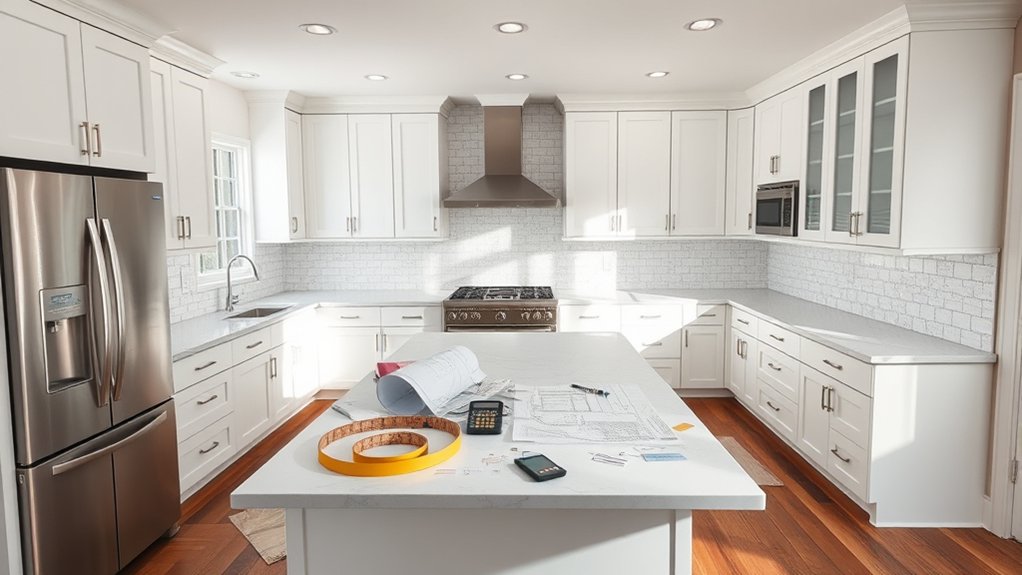
How Much Does a Kitchen Remodel Cost?
Planning a kitchen remodel can feel overwhelming, especially when costs vary so much from one project to the next. You’re not alone—many homeowners struggle to balance their wish list with their budget.
A kitchen remodel typically costs between $15,000 and $50,000, depending on your kitchen’s size, material choices, and whether you’re making minor updates or doing a full renovation. Smaller projects, like new paint or lighting, cost less, while extensive changes with custom cabinets and high-end appliances push costs higher.
DIY tasks can save money, but complex plumbing and electrical work need pros. Keep these key cost drivers in mind as you consider your options and plan your budget.
Key Takeaways
- Kitchen remodel costs typically range from $15,000 to $50,000, depending on size, materials, and project scope.
- Minor updates like painting or lighting cost a few thousand dollars, while full renovations with layout changes are significantly more expensive.
- Larger kitchens increase costs due to more materials, labor, plumbing, electrical work, and additional features.
- Cabinetry, countertops, appliances, and labor complexity are the main cost drivers in a kitchen remodel.
- Budget management includes researching prices, prioritizing needs, considering DIY for simple tasks, and setting aside a 10-15% contingency fund.
What Is the Average Cost of a Kitchen Remodel?
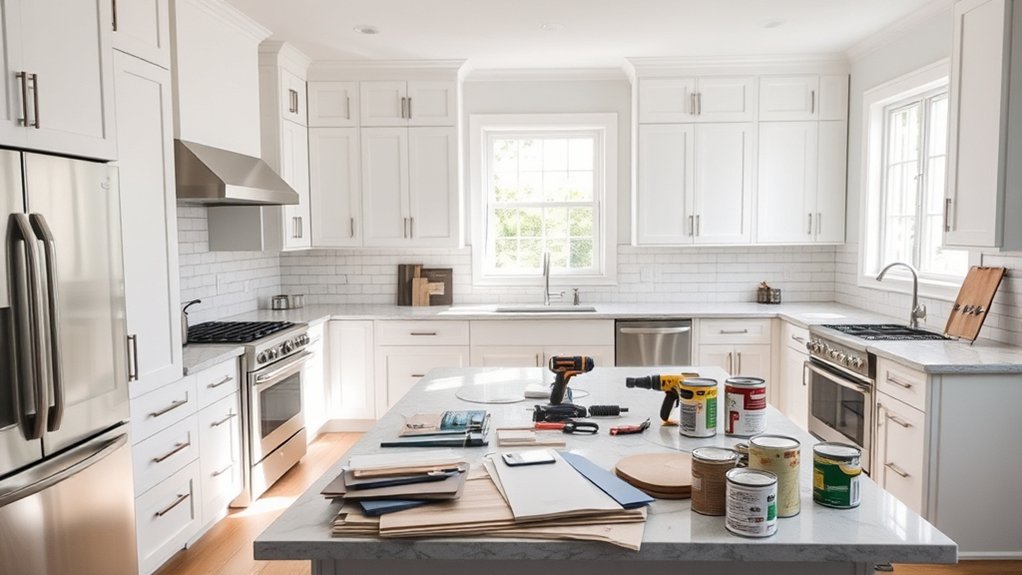
A kitchen remodel typically costs between $15,000 and $50,000, depending on the size of your space and the quality of materials you choose. When budgeting, consider that upgrading kitchen lighting can markedly impact both functionality and ambiance.
Opting for energy-efficient fixtures or adding under-cabinet lights improves your cooking experience without breaking the bank.
Plumbing fixtures also play an essential role in your remodel’s cost. Replacing outdated faucets, sinks, or installing a new dishwasher requires careful planning to avoid unexpected expenses.
High-end fixtures will raise your budget but improve durability and style. You can control costs by selecting mid-range options that balance quality and price.
How Does Kitchen Size Affect Your Remodeling Budget?
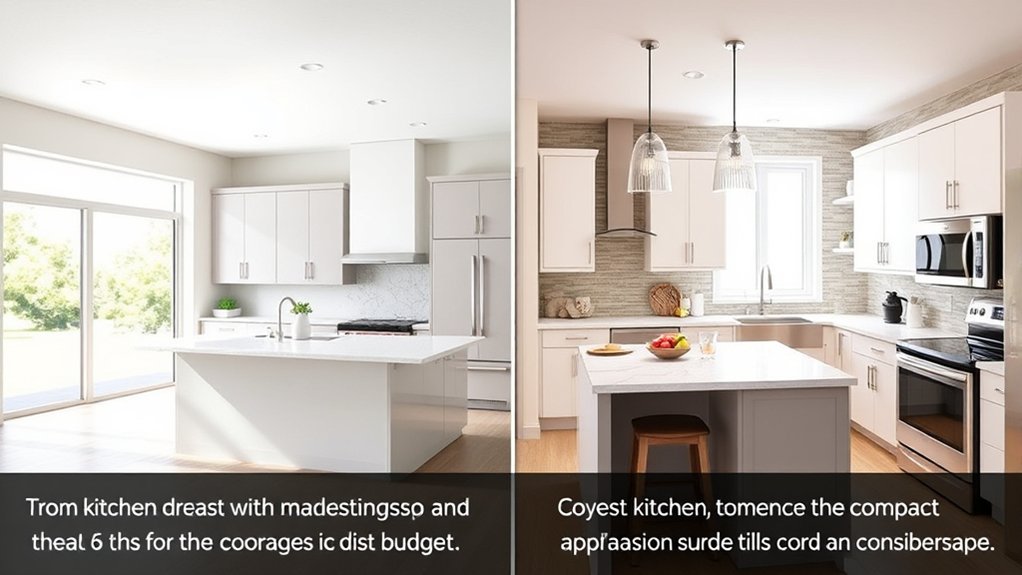
The size of your kitchen can have a big impact on your remodeling budget. Smaller kitchens often cost less because they need fewer materials and less labor. Larger kitchens, on the other hand, require more work and supplies, so costs can add up quickly.
Small Kitchens Cost Less
Because smaller kitchens require fewer materials and less labor, they typically cost less to remodel than larger ones. When working with small kitchens, you can enjoy significant cost savings without sacrificing style or function. Here’s why remodeling a small kitchen can be budget-friendly:
- Less material needed: Cabinets, countertops, and flooring cover less area, cutting costs.
- Reduced labor time: Fewer hours are required for installation and finishing work.
- Simpler design choices: Small kitchens often favor streamlined layouts that cost less to execute.
Larger Kitchens Require More
While small kitchens save you money with fewer materials and less labor, larger kitchens naturally demand more resources to remodel. You’ll need extra cabinets, countertops, and flooring, all of which add up quickly.
The kitchen layout in a bigger space often requires additional plumbing and electrical work, especially if you want to include an island or multiple cooking zones. Don’t forget lighting fixtures. Larger kitchens need more lights to ensure even illumination, which raises both material and installation costs.
Upgrading to energy-efficient lighting in a bigger area can increase your upfront expenses, though it pays off over time. Ultimately, the size of your kitchen directly impacts your remodeling budget, so plan accordingly to balance your design goals with your financial limits.
What’s the Price Difference Between Minor Updates and Full Renovations?
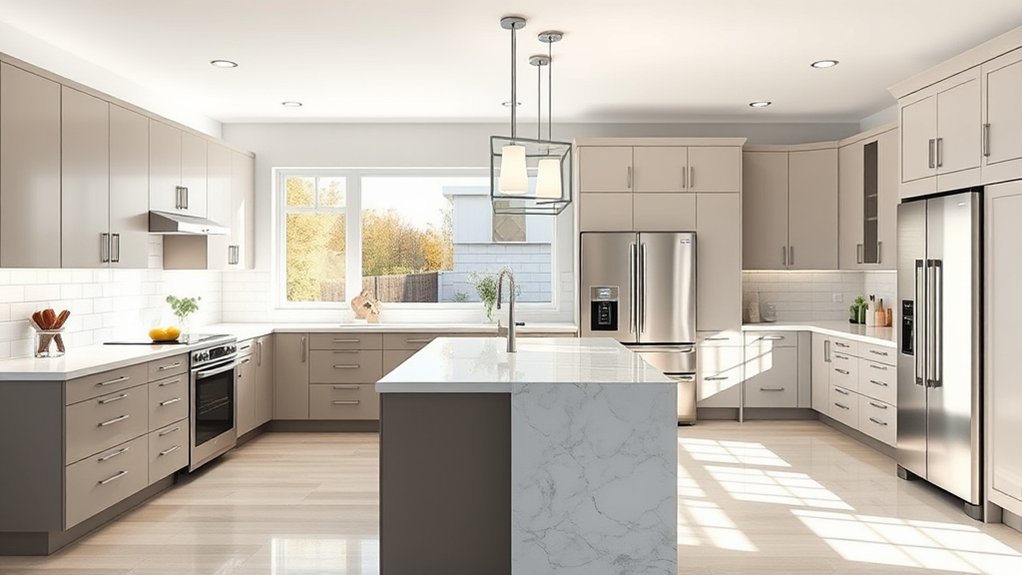
Although minor updates can refresh your kitchen without breaking the bank, full renovations involve a much larger investment due to extensive changes in layout, materials, and labor. When you opt for minor updates, you’re mainly focusing on cosmetic improvements like replacing lighting fixtures or updating flooring options, which typically cost less and take less time.
Minor updates refresh your kitchen affordably, while full renovations require more time, materials, and investment.
Full renovations, meanwhile, overhaul your kitchen entirely, often including structural changes and new cabinetry.
Here’s how the costs differ:
- Minor updates: New lighting fixtures, fresh paint, and updated flooring options usually run a few thousand dollars.
- Full renovations: Complete redesigns with new layouts and high-end materials can cost tens of thousands.
- Labor: Minor updates require less labor, whereas full renovations involve skilled contractors for plumbing, electrical, and carpentry.
Understanding this difference helps you decide what fits your budget and goals best.
Which Materials Impact Kitchen Remodel Costs Most?
Cabinets and countertops usually have the biggest impact on your kitchen remodel costs. Custom cabinetry or high-end wood can raise your budget quickly, while granite and quartz countertops typically cost more than laminate or tile.
Cabinet Material Choices
Choosing the right cabinet material can considerably affect your kitchen remodel cost, as different materials vary widely in price and durability. When selecting cabinets, you’ll want to evaluate how each option balances cost with longevity and style. Here are three popular choices:
- Solid wood: Offers durability and can be customized with custom finishes, but tends to be the priciest option.
- Plywood: A cost-effective, sturdy alternative that resists warping better than particleboard.
- Eco friendly materials: Such as bamboo or reclaimed wood, which reduce environmental impact without sacrificing quality.
Your choice impacts not only cost but also maintenance and overall kitchen aesthetics. Weigh these options carefully to match your budget and design goals.
Countertop Surface Options
How do countertop materials influence your kitchen remodel cost? Your choice directly affects both the initial expense and long-term value. Materials like granite and quartz offer excellent countertop durability but come with higher upfront costs. They resist scratches and heat, reducing the need for frequent repairs.
On the other hand, laminate and tile options are more budget-friendly but may require more surface maintenance due to vulnerability to chips or stains. Solid surface countertops fall in the middle, balancing durability and cost while being easier to repair.
When selecting your countertop, consider how much wear and tear it will endure and how much time you want to spend on upkeep. The right material helps you manage both upfront remodel costs and ongoing maintenance expenses effectively.
How Do Labor Costs Influence Your Kitchen Remodel Budget?
Since labor often accounts for a significant portion of your kitchen remodel budget, understanding its impact is essential. Labor costs vary depending on the complexity of the project, the skill level of the workers, and the region you live in.
Labor costs significantly affect your kitchen remodel and depend on project complexity, worker skill, and location.
When you add smart home technology or eco friendly options, labor can increase because these features require specialized installation.
To manage labor costs effectively, consider:
- Hiring experienced contractors who work efficiently and reduce errors
- Scheduling tasks to minimize downtime between tradespeople
- Choosing materials and designs that simplify installation without sacrificing quality
Which Kitchen Features and Appliance Upgrades Increase Costs Most?
When you add high-end appliances or custom features to your kitchen, costs can rise quickly. Premium brands for ovens, refrigerators, and dishwashers often come with a hefty price tag but offer advanced technology and durability. Custom cabinetry or eco-friendly materials, like bamboo or recycled wood, also increase expenses due to their sustainable sourcing and craftsmanship.
Lighting upgrades are another key factor. Switching to LED fixtures or installing under-cabinet lighting improves functionality but adds to your budget. Furthermore, smart kitchen technology, such as touchless faucets or app-controlled appliances, tends to carry a higher upfront cost.
While these features boost your kitchen’s appeal and efficiency, they demand careful budget planning. To manage expenses, prioritize upgrades that align with your needs and consider balancing splurges with more cost-effective options. Understanding which features drive up costs helps you make informed decisions without compromising your remodel’s overall quality.
When Should You Hire Professionals vs. Do It Yourself?
Deciding whether to hire professionals or tackle your kitchen remodel yourself depends on your skills, time, and budget. If you’re comfortable with tools and have experience, DIY might save money. However, certain tasks benefit from expert help, especially when incorporating the latest design trends or eco friendly materials that require precise installation.
Consider hiring professionals if:
- You want to guarantee compliance with building codes and safety standards.
- Your remodel involves complex plumbing, electrical work, or structural changes.
- You aim for a polished finish aligned with current design trends and sustainable choices.
Opt for DIY if:
- You have time to learn and complete manageable tasks like painting or installing cabinets.
- You’re confident working with eco friendly materials that require special handling.
- You want to control costs but don’t mind a longer timeline.
Balancing these factors helps you decide the best approach for your kitchen remodel.
What Are Budget-Friendly Tips to Save on Your Kitchen Remodel?
Although kitchen remodels can quickly become costly, you can still achieve a fresh, updated look without breaking the bank. Focus on budget-friendly tips like installing a decorative backsplash yourself and choosing eco friendly fixtures, which save money and add style. Prioritize cosmetic updates over structural changes to keep costs low. Shop for discounted materials and consider refinishing cabinets instead of replacing them.
Here’s a quick guide to save smartly:
| Tip | Benefit |
|---|---|
| Decorative backsplash DIY | Adds style, cuts labor costs |
| Eco friendly fixtures | Saves energy, lowers bills |
| Refinish cabinets | Fresh look, cheaper than replace |
| Buy discounted materials | Quality at reduced prices |
These choices help you stay within budget while giving your kitchen a vibrant, modern feel. You don’t have to sacrifice quality or style to save money on your remodel.
How Can You Plan Your Kitchen Remodel Budget to Avoid Surprises?
To prevent unexpected expenses during your kitchen remodel, you need a detailed budget plan that covers every aspect of the project. Start by listing all the elements you want to include, from cabinets and countertops to lighting and flooring. Don’t forget to investigate eco friendly options—they might save money over time and add value. If you love vintage designs, factor in potential costs for sourcing authentic materials or custom reproductions.
To avoid surprises, focus on these key steps:
- Research and compare prices for materials and labor upfront
- Set aside a contingency fund (around 10-15%) for unforeseen costs
- Prioritize must-haves vs. nice-to-haves to keep flexibility
What Are the Top Cost Drivers to Watch Out For in Kitchen Remodeling?
When remodeling your kitchen, keep an eye on cabinetry and storage—they can quickly drive up costs. Appliance quality and features also have a big impact on your budget. And don’t forget labor and installation fees, which can take up a significant portion of the total.
Cabinetry and Storage Choices
Since cabinetry often occupies the largest portion of your kitchen remodel budget, it’s essential to understand what drives these costs. Your choices in materials, design, and hardware considerably impact the final price.
For instance, opting for vintage fixtures can add charm but may increase costs due to sourcing and restoration. Choosing eco friendly materials often costs more upfront but benefits durability and sustainability.
Watch out for these key factors:
- Custom vs. stock cabinets: Custom designs raise prices substantially.
- Material selection: Solid wood costs more than MDF or laminate.
- Storage features: Pull-out shelves, lazy Susans, and built-in organizers add convenience but can add to expenses.
Being mindful of these helps you balance style, function, and budget effectively.
Appliance Quality and Features
Cabinetry sets the stage for your kitchen’s look, but the appliances bring it to life and often take a significant bite out of your remodel budget. When choosing appliances, focus on quality and features that matter most to you.
Energy efficiency is key. It not only lowers utility bills, but many efficient models also come with longer appliance warranties, giving you peace of mind. Higher-end appliances often feature smart technology and advanced functions, which can quickly drive up costs. Here’s a quick look at how appliance features affect pricing:
| Feature | Cost Impact |
|---|---|
| Basic Models | Low |
| Energy Efficient | Moderate |
| Smart & Premium | High |
Keep warranties and energy ratings in mind to balance cost and long-term value effectively.
Labor and Installation Costs
How much you pay for labor and installation can make or break your kitchen remodel budget. Skilled labor costs vary widely based on location, project complexity, and current design trends, which often demand specialized expertise. Keep an eye on these top cost drivers to avoid surprises:
- Custom cabinetry and intricate tile work tend to increase labor time and costs.
- Sustainability considerations, like installing energy-efficient fixtures or eco-friendly materials, may require specialized installation, raising expenses.
- Electrical and plumbing updates often need licensed professionals, adding to labor fees.
Choosing contractors familiar with the latest design trends and sustainability standards can help streamline the process and prevent costly mistakes. By understanding these factors, you’ll better manage your labor and installation expenses while achieving your dream kitchen.
Frequently Asked Questions
How Long Does a Typical Kitchen Remodel Take From Start to Finish?
A typical kitchen remodel usually takes about six to twelve weeks from start to finish. You’ll want to factor in time for choosing design trends that fit your style and budget.
Material costs can affect your timeline too, especially if you pick custom or specialty items that take longer to order. Staying organized and communicating well with contractors will help you keep the project moving smoothly and avoid unnecessary delays.
What Permits Are Required for a Kitchen Remodel?
Did you know that nearly 60% of kitchen remodels require permits? When you’re remodeling, you’ll need permits if you’re making structural changes or altering plumbing and electrical systems.
These guarantee your project meets local building codes for safety and compliance. Always check with your city’s building department before starting.
Skipping permits can lead to fines or costly fixes, so it’s worth getting them upfront to keep your remodel smooth and legal.
How Can I Make My Kitchen Remodel Eco-Friendly?
You can make your kitchen remodel eco-friendly by choosing sustainable materials like bamboo or recycled wood for cabinets and countertops. Opt for energy efficient appliances to reduce electricity use and lower your carbon footprint.
Installing LED lighting and water-saving fixtures also helps. Don’t forget to recycle old materials and consider low-VOC paints to improve indoor air quality.
These choices not only benefit the environment but also save you money in the long run.
What Are the Best Ways to Finance a Kitchen Remodel?
You don’t want to drain your bank account faster than a rocket launch! The best ways to finance a kitchen remodel include tapping into your home equity for lower interest rates or opting for personal loans if you prefer quicker approval and fixed payments.
Both options give you flexibility, but home equity usually offers bigger amounts at cheaper rates. Choose what fits your budget and timeline best to keep your project stress-free.
How Do I Choose the Right Kitchen Layout for My Space?
You choose the right kitchen layout by first measuring your space and considering your workflow. Think about how you move between the sink, stove, and fridge—the classic work triangle.
Then, pick cabinet styles that complement your room’s size and shape, ensuring storage fits your needs. Finally, select countertop materials that balance durability and style.
Conclusion
Remodeling your kitchen is like steering a ship: you need a clear budget map to navigate costs smoothly. Whether you choose minor updates or a full renovation, knowing how size, materials, and labor affect your expenses helps you avoid financial storms.
By planning carefully and deciding when to hire pros or DIY, you’ll keep your kitchen remodel on course. With smart choices, you’ll sail into a beautiful, functional kitchen without surprises. Knowing how much a kitchen remodel costs can help you plan with confidence.