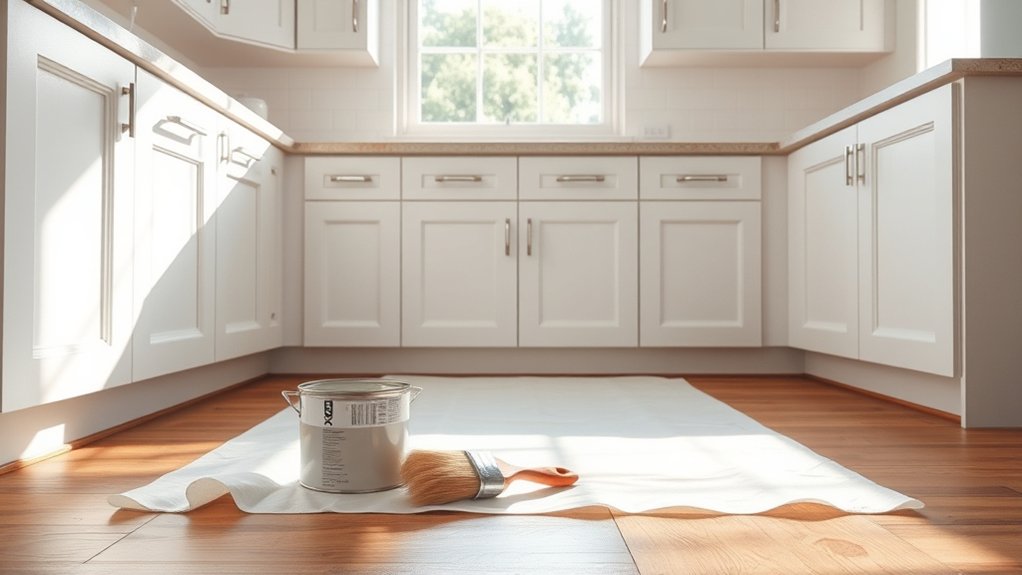
How Much Does It Cost to Paint Kitchen Cabinets?
Old, worn cabinets can make your whole kitchen feel dated, but a full remodel isn’t always in the budget. You’re not alone—many homeowners struggle to estimate the cost to paint kitchen cabinets and worry about unexpected expenses.
You’ll typically spend $1,000 to $7,000 to have your kitchen cabinets professionally painted, or about $3 to $12 per square foot. If you do the work yourself, expect to pay $200 to $600 for paint, primer, tools, and supplies.
Your final price depends on cabinet size, material, condition, design complexity, preparation, paint type, and local labor rates. Comparing itemized quotes helps you avoid surprises, and the following sections explain how to budget wisely.
Key Takeaways
- Painting kitchen cabinets typically costs $1,000–$7,000 professionally, or $200–$600 for DIY supplies.
- Professional cabinet painting generally costs $3–$12 per square foot or $30–$60 per linear foot.
- Labor costs cover cleaning, sanding, repairs, priming, painting, hardware removal, masking, and finishing.
- Cabinet material, size, condition, design complexity, paint type, finish, and regional labor rates significantly affect pricing.
- Painting is usually cheaper than replacement when cabinets are structurally sound and the existing layout meets your needs.
What Does It Cost to Paint Kitchen Cabinets?

Painting kitchen cabinets typically costs $1,000 to $7,000, depending on your kitchen’s size, cabinet material, paint type, and whether you hire a professional or do the work yourself. You’ll usually pay $3 to $12 per square foot for professional cabinet painting, while a do-it-yourself project may cost $200 to $600 for supplies.
Labor often represents most of your budget because preparation, sanding, priming, and finishing require time and skill.
Your cabinet design affects the estimate. Raised panels, intricate trim, and detailed doors take longer to prepare and paint than simple, flat surfaces.
Material matters, too: wood generally accepts paint more easily than laminate or thermofoil, which may require specialized primers. Paint color options can also influence costs if you choose premium products, multiple colors, or specialty finishes.
Before hiring a contractor, request itemized quotes that list preparation, materials, labor, and hardware removal. Comparing several estimates helps you set a realistic budget and avoid unexpected charges.
Cabinet Size and Its Effect on Price
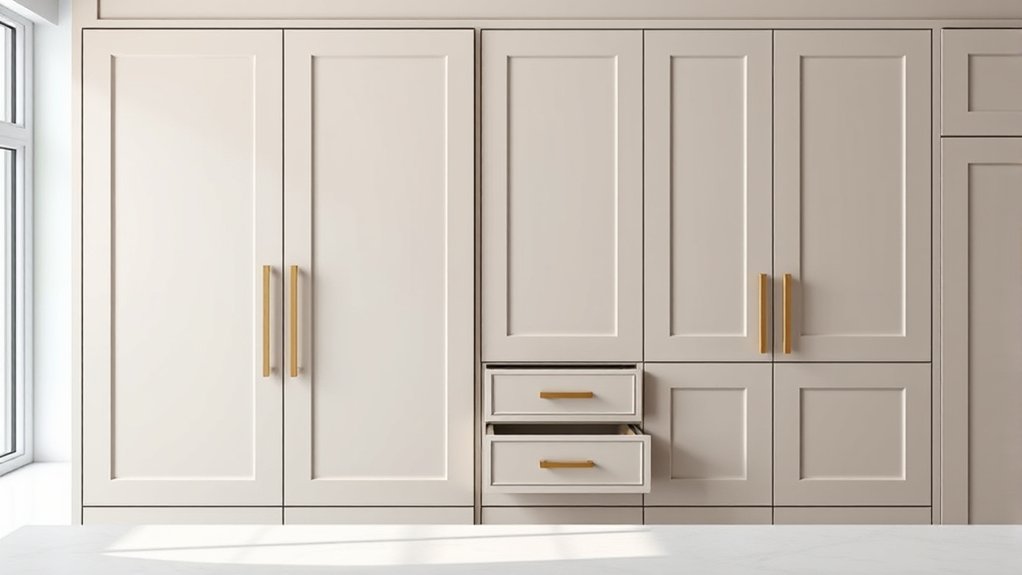
Cabinet size plays a major role in your painting costs because larger kitchens require more materials and labor. A compact kitchen with fewer doors and drawer fronts needs less primer, paint, and preparation time, so you’ll usually spend less overall.
A larger kitchen increases both the surface area and the number of pieces requiring cleaning, sanding, priming, and coating.
Your cabinet layout also affects the price. Tall pantry units, islands, and intricate trim add surfaces and details that take longer to cover.
If you’re comparing estimates, count doors, drawers, and exposed end panels rather than relying only on kitchen size.
The cabinet material can influence coverage and preparation, too. Wood may require filling and sanding, while laminate often needs specialized primer for proper adhesion.
Your chosen paint finish matters as well. Satin and semi-gloss options may require careful application to achieve an even, durable appearance.
Measuring your cabinets and identifying their materials helps you create a more accurate budget before choosing your project’s scope.
Professional Cabinet Painting Costs
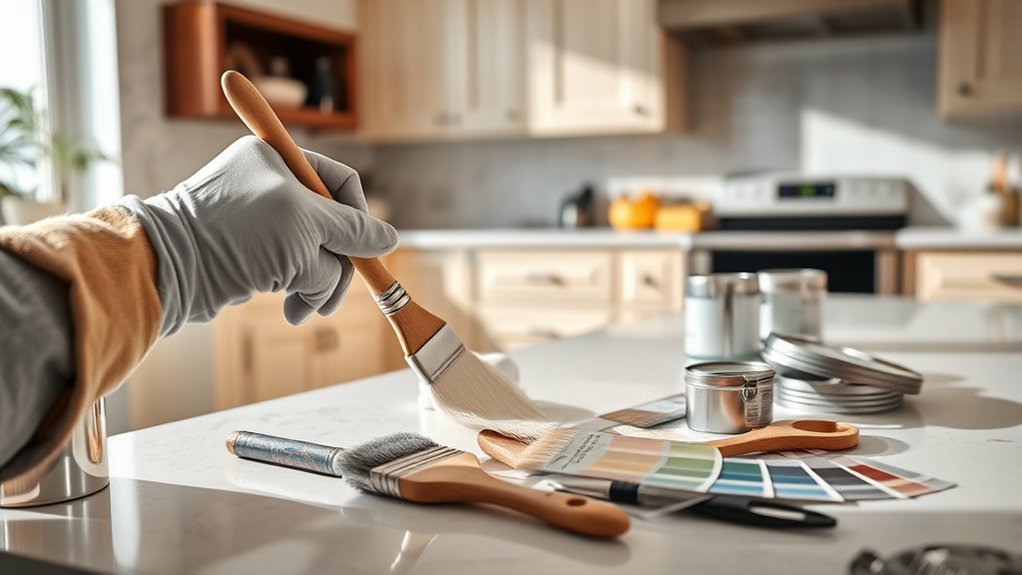
When you hire a professional to paint your cabinets, the cost covers both labor and materials. The total price can vary depending on the size and condition of your cabinets, the type of paint and finish you choose, and how much preparation is needed. Understanding these factors can help you set a realistic budget.
Labor And Materials
Professional cabinet painting typically costs $30 to $60 per linear foot, including labor and materials, though larger kitchens, intricate details, and premium finishes can raise the price.
Your labor charge generally covers preparation, sanding, priming, spraying or brushing, drying, and cleanup. Materials may include degreaser, sandpaper, primer, cabinet-grade paint, masking supplies, and protective coverings.
You’ll usually receive a more durable, uniform result when a professional uses specialized equipment and coatings. Discuss your preferred color schemes before work begins so your painter can recommend compatible products and provide accurate samples.
Different paint finishes also affect the materials price. Satin and semi-gloss remain popular for their washable surfaces, while specialty coatings can cost more.
Ask whether the estimate includes materials, touch-ups, hardware removal, and final inspection. This helps you compare quotes confidently and avoid surprise charges.
Project Cost Factors
Several project details can change the final price beyond the basic labor and materials rate. Your cabinet layout, condition, and total surface area affect preparation time and paint use.
Extensive repairs, such as filling dents, replacing damaged doors, or sanding heavy buildup, can raise your estimate. Door styles also matter because intricate profiles take longer to clean, sand, and coat than flat panels.
Your color options can influence costs, especially if you choose multiple shades, custom-mixed colors, or a dramatic change that requires extra coats. Finish durability matters too.
Premium paints and protective topcoats typically cost more, but they can better withstand grease, moisture, and daily cleaning. Hardware removal, masking, and reinstalling doors may add labor as well.
Ask your painter for an itemized quote so you can compare options and avoid unexpected charges.
DIY Cost to Paint Kitchen Cabinets
When you paint your kitchen cabinets yourself, you’ll mainly pay for paint, primer, and other supplies. You may also need tools like brushes, rollers, sandpaper, or a sprayer. While DIY painting saves you labor costs, keep in mind that you’ll spend your own time preparing, painting, and cleaning up.
Paint And Supply Costs
For a DIY cabinet-painting project, expect to spend about $200 to $600 on paint and supplies, depending on your kitchen’s size and the products you choose. Cabinet-grade paint typically costs $30 to $80 per gallon, while primer adds another $20 to $50.
You’ll also need sandpaper, painter’s tape, plastic sheeting, cleaning solution, caulk, and wood filler, which may total $50 to $150. Color choices can affect your budget because specialty shades or custom-mixed paint often cost more than standard colors.
Paint durability matters, too. A high-quality acrylic, alkyd, or urethane-enhanced formula generally costs more but withstands cleaning, moisture, and daily wear better. Budget for extra paint if you’re covering dark cabinets or making a dramatic color change.
Buying multipacks and comparing prices can help you stay within budget.
Tools You May Need
The right tools can make cabinet painting faster and produce a smoother, more professional finish. Before you begin, gather equipment that supports clean preparation, even coverage, and precise detail work. Your choices can also help you follow current Color trends and achieve attractive paint finishes.
- Cleaning supplies: Use degreaser, microfiber cloths, sponges, and a bucket to remove grease and residue.
- Sanding tools: Choose medium- and fine-grit sandpaper, sanding blocks, or an orbital sander for smoothing surfaces.
- Application tools: Keep angled brushes, a quality mini roller, a paint tray, and stir sticks nearby.
- Protection gear: Use drop cloths, painter’s tape, gloves, safety glasses, and a respirator mask when appropriate.
A screwdriver or drill helps you remove doors, hinges, and hardware before painting. Label each piece so reassembly stays organized.
Labor Savings And Time
DIY cabinet painting can save you the labor costs a professional painter would charge, but you’ll trade money for your own time and effort. Expect to spend several days cleaning, sanding, priming, painting, and allowing each coat to dry.
Your total time depends on cabinet size, condition, and the process you choose. Repairs, intricate trim, and multiple paint finishes can extend the project.
You’ll also need patience to remove doors, label hardware, protect nearby surfaces, and reinstall everything correctly. The savings can make DIY worthwhile, especially if you already own basic tools and supplies.
You’ll gain greater control over color options, too, without paying extra for custom selections. However, calculate the value of your time before starting.
If you need a fast, highly polished result, hiring a professional may justify the additional cost.
Cabinet Material and Painting Costs
Cabinet material affects both the preparation work and the final painting cost. Wood, laminate, MDF, and thermofoil require different primers and techniques.
Cabinet material influences preparation requirements, primer selection, painting techniques, and the overall cost of the project.
You’ll usually pay more when surfaces need extensive cleaning, sanding, repairs, or specialized bonding products.
- Wood: Solid wood and veneer generally accept paint well, but grain filling and repairs can increase labor.
- Laminate: Smooth laminate needs careful scuffing and adhesion preparation, which may raise the estimate.
- MDF: MDF offers a consistent surface, though damaged edges require sealing before painting.
- Thermofoil: Peeling or heat-damaged thermofoil may need removal, replacement, or extra preparation.
Your cabinet durability also affects value. Well-prepared wood can support a long-lasting update, while fragile or damaged surfaces may not justify the expense.
Ask your contractor how the material influences sanding, priming, repairs, and application time. You can also discuss paint finish options, because smoother finishes may highlight imperfections and require better preparation.
Compare itemized estimates so you understand whether material-related costs reflect necessary work or optional upgrades.
Paint Types and Their Prices
Choosing the right paint affects both your cabinet’s appearance and your total project cost. You’ll typically choose among water-based acrylic, oil-based, alkyd, and specialty cabinet paints.
Acrylic usually costs about $20 to $50 per gallon, offers low odor, and cleans up easily. Oil-based paint may cost $30 to $70 per gallon, delivers a hard, durable surface, but takes longer to dry.
Hybrid alkyd paint often runs $35 to $80 per gallon and combines oil-like durability with simpler cleanup. Specialty cabinet coatings can cost $40 to $100 per gallon, depending on the brand and formulation.
Your color options also influence price. Standard whites and neutrals generally cost less, while custom colors or premium tints may add $10 to $30 per gallon.
Consider finish types, too. Satin and semi-gloss finishes commonly cost $25 to $75 per gallon, while high-gloss products may cost slightly more.
Compare coverage, durability, and cleanup requirements before choosing.
Prep, Repairs, and Labor Costs
Once you’ve selected your paint, prep work and labor will have the biggest effect on your kitchen cabinet painting cost. Cleaning, sanding, priming, and repairing surfaces determine how smoothly your finish applies and how long it lasts.
Expect higher costs when cabinets have grease buildup, peeling paint, dents, water damage, or intricate details.
Your project may include:
- Removing doors, drawers, and hardware for thorough preparation.
- Filling cracks, repairing chips, and replacing damaged hinges or panels.
- Sanding and priming to improve adhesion and finish durability.
- Applying multiple coats while protecting countertops, floors, and appliances.
You’ll usually pay more for detailed repairs or a sprayed finish than for basic brushing and rolling. Your chosen color schemes can also affect labor if you need extra coats for coverage, especially when changing from dark cabinets to a light shade.
Ask for a written estimate that separates preparation, repairs, materials, and painting. That breakdown helps you compare quotes accurately and avoid surprise charges during the project.
How Local Labor Rates Affect Costs
Cabinet-painting costs can vary depending on local wages. Larger cities often charge more than rural areas. Rates may also differ based on a contractor’s experience, skill level, and reputation. Compare quotes from local contractors to see how these factors affect your total cost.
Regional Wage Differences
Labor rates vary by region, so the cost to paint your kitchen cabinets may depend as much on where you live as on the size of the project. Local wages, business expenses, and demand shape a painter’s hourly rate.
Before requesting estimates, consider:
- Wage levels: Higher regional pay typically increases labor charges.
- Operating costs: Insurance, transportation, and shop expenses can influence your quote.
- Project timing: Busy seasons may bring higher rates or longer scheduling delays.
- Specialized skills: Detailed finishes, repairs, and spraying may cost more where experienced painters are scarce.
Compare at least three local, itemized estimates to understand labor’s share of the total. Ask whether preparation, sanding, priming, and cleanup are included.
Color trends may increase demand for certain finishes, while eco friendly paints can require specialized products or application methods. You’ll get a more accurate budget when you compare equivalent scopes, materials, and warranties.
Urban Versus Rural Rates
Location can create a noticeable gap in cabinet-painting quotes. Urban painters often charge more because of higher wages, rent, insurance, parking, and travel costs, while rural rates may be lower but include added mileage or limited availability.
In cities, ongoing urban development can increase demand for remodeling services, pushing labor prices higher when contractors manage crowded schedules. You may also pay extra for building access, loading zones, or difficult parking.
In rural areas, lower overhead can reduce hourly rates, but rural infrastructure may mean longer drives, fewer nearby professionals, and higher minimum charges.
Ask each painter whether the estimate includes travel, fuel, preparation, and cleanup. Compare total project costs, not just hourly rates, so you can identify the genuinely better value for your kitchen and avoid surprises before work begins.
Contractor Experience Levels
Contractor experience can affect your cabinet-painting cost because seasoned professionals often charge more for efficient preparation, smoother finishes, and fewer mistakes. Newer painters may offer lower local labor rates but require more time or oversight.
Compare quotes by checking what each painter includes:
- Preparation, sanding, and repairs
- Primer and paint quality
- Color options and finish types
- Cleanup, touch-ups, and warranty coverage
An experienced contractor may cost more per hour, yet finish sooner and deliver a more durable result.
A less-experienced painter could save money initially, but delays, uneven coverage, or missed repairs can increase your final bill.
Ask for project photos, references, proof of insurance, and a detailed labor breakdown. You should also confirm whether the quote covers hardware removal and reinstallation.
Choose the experience level that matches your cabinet condition, design goals, and budget.
Ways to Reduce Cabinet Painting Costs
You can reduce cabinet painting costs by preparing the surfaces yourself, choosing a durable midrange paint, and requesting several detailed quotes before hiring a professional. Remove hardware, clean grease, label doors, and lightly sand surfaces so your painter can begin immediately.
Fill small dents and repair loose hinges, but leave specialized refinishing tasks to an experienced professional.
Compare itemized estimates that separate labor, materials, repairs, and hardware. Ask whether each quote includes primer, sanding, cleanup, and the number of finish coats.
Scheduling work during a contractor’s slower season may also help you negotiate a lower rate.
Choose standard finishes instead of costly specialty coatings, and avoid unnecessary decorative details. Color trends can inspire affordable updates, but select a timeless shade you’ll enjoy for years.
If sustainability matters, compare eco friendly paints by coverage, durability, and price rather than assuming every green label costs more.
Finally, buy supplies in coordinated quantities to prevent waste, and confirm return policies before purchasing.
Is Painting Cheaper Than Replacing Cabinets?
Painting is usually cheaper than replacing cabinets, especially when the boxes are structurally sound and you like the existing layout. You’ll typically spend less on primer, paint, labor, and minor repairs than on new boxes, doors, hardware, demolition, and installation.
Painting also preserves your kitchen’s footprint while revitalizing its appearance.
- Choose painting when doors remain solid, hinges work, and storage meets your needs.
- Consider replacement when cabinets have water damage, warped frames, severe wear, or inefficient interiors.
- Compare upgrades because new hardware, soft-close hinges, and updated lighting can make painted cabinets feel substantially newer.
- Evaluate longevity by researching paint durability and selecting products designed for frequent cleaning and moisture.
Cabinet styles can influence the decision, too. Simple, flat-front doors usually cost less to repaint, while ornate profiles may require extra preparation.
Replacement makes more sense if you want a completely different layout, better accessibility, or modern storage features.
Get itemized estimates for both options before deciding. Include disposal, delivery, and installation fees in the replacement total.
Frequently Asked Questions
How Long Does Painted Kitchen Cabinetry Typically Last?
Painted kitchen cabinetry typically lasts 8–10 years before needing significant touch-ups, though you can extend its life with gentle cleaning and prompt repairs. High-quality paint, careful preparation, and a durable topcoat help your cabinets resist chips, moisture, and daily wear.
Your color options also matter: lighter shades may hide minor fading, while dark colors can show scratches. Consider budget considerations, because repainting costs less than replacement but still requires planning.
Can Cabinet Doors Remain Installed During the Painting Process?
Yes, you can leave cabinet doors installed while painting, but cabinet removal usually produces a cleaner, faster result. Removing doors lets you coat edges, hinges, and surfaces evenly, prevents drips, and makes sanding easier.
If you keep them attached, protect countertops, floors, and hardware, and work carefully around hinges. You’ll likely need paint touch-ups along edges and hinges afterward. Label each door if you remove it, so reinstallation goes smoothly.
How Long Should You Wait Before Using Freshly Painted Cabinets?
Wait at least 24 hours before gently using freshly painted cabinets, but allow 48–72 hours for regular kitchen use. Your paint may feel dry sooner, yet it needs additional time to cure and resist fingerprints, sticking, and scratches.
Keep doors and drawers slightly open, avoid washing surfaces, and handle hardware carefully during this period. Your color selection and paint finishes also affect drying and curing times, so follow the manufacturer’s instructions.
What Maintenance Helps Preserve Painted Kitchen Cabinets?
How can you keep painted kitchen cabinets looking fresh for years? Establish simple Cleaning routines: Wipe spills promptly with a soft, damp cloth and mild dish soap, then dry surfaces thoroughly. Avoid abrasive pads, harsh chemicals, excess water, and hanging damp towels from doors. Check hinges and hardware regularly, tightening loose screws carefully. Schedule Paint touch ups when you notice chips or worn edges, and protect frequently handled areas with gentle use.
Can Painted Cabinets Be Returned to Their Original Finish?
Yes, you can usually return painted cabinets to their original finish, but the process takes patience. You’ll need to remove the doors, cabinet hardware, and drawers, then strip or sand away the paint without damaging the wood.
Check paint adhesion first; stubborn layers may require chemical stripper or professional refinishing. After cleaning, repair any damage, match the original stain or coating, and apply protective finish evenly.
Expect this restoration to cost more than repainting.
Conclusion
Painting your kitchen cabinets can refresh your space without opening Pandora’s box of a full remodel. You’ll typically spend less than replacing cabinets, especially when you compare DIY savings with professional, detail-focused results.
Your final price will depend on cabinet size, material, repairs, preparation, and local labor rates. Get several quotes, choose durable paint, and plan carefully.
With the right approach, you can give your kitchen a fresh look while keeping your budget and sanity intact. Understanding how much it costs to paint kitchen cabinets can help you plan confidently.