How to Decorate a Kitchen Island
A kitchen island can be tricky to decorate: you want it to look stylish and welcoming without getting in the way of everyday cooking. If you’re not sure where to start, you’re not alone—many people struggle to strike that balance. These kitchen island decorating ideas can help you find pieces that suit your space and style.
Start by planning your layout and picking a color palette that complements your cabinetry. Add bar stools that match your style, then layer in lighting for both task and ambiance. Style the surface with everyday essentials like a fruit bowl, cutting boards, or stacked cookbooks.
Mix in seasonal touches and varied textures for depth. Keep things clutter-free and personal. There’s a lot more to uncover that’ll help your island truly shine.
Key Takeaways
- Plan the layout first, balancing storage, workspace, and seating for both function and style.
- Choose a cohesive color palette that complements cabinetry while adding bold accent touches.
- Style the surface with curated stacks of cookbooks, trays, fresh fruit, or greenery.
- Select bar stools with proper height, comfort, and finishes that match the island’s design.
- Add layered lighting, like pendants with dimmers, for ambiance and task functionality.
Plan Your Kitchen Island Layout First

Before you buy a single decorative item, take a hard look at how you actually use your kitchen island. Do you prep meals there, eat breakfast, or just pile mail on it? Your answer determines everything that follows.
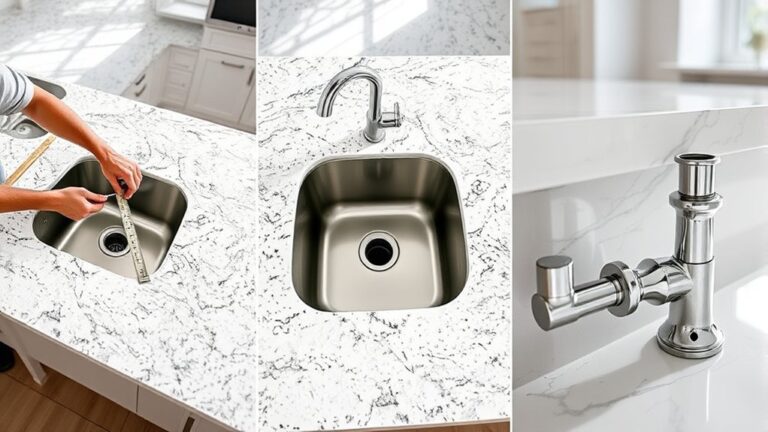
Think about kitchen ergonomics first. If you cook at the island, you’ll need clear counter space near the stove or sink, not a row of candles blocking your cutting board. Measure the workable surface area before deciding how much is actually available for décor.
Next, consider storage solutions built into the island itself. Open shelves, drawers, or a wine rack change what you can display on top. If storage is tight, you’ll want decorative pieces that double as function, like a stylish fruit bowl or a tray that corrals utensils.
Sketch a rough layout noting traffic flow, seating, and work zones before adding anything decorative.
Choose a Color Palette for Your Island

Your island’s color sets the tone for the whole kitchen, so choose one that feels right. For a cohesive look, pick a hue that complements your cabinetry and overall style. Or, make the island stand out with a contrasting accent color. Either way, consider how it’ll work with your countertops, flooring, and existing decor before you commit.
Match Your Kitchen Style
Since your island sets the tone for the whole kitchen, it needs a color palette that speaks the same visual language as the rest of the space. Look at your cabinet hardware, countertops, and flooring, then let your island echo those finishes rather than compete with them.
If your kitchen leans modern, choose sleek lines and matte surfaces. If it’s farmhouse-style, warm wood tones and vintage kitchen accessories will fit right in.
| Kitchen Style | Island Color | Accent Details |
|---|---|---|
| Modern | Charcoal or white | Matte black hardware |
| Farmhouse | Soft white or sage | Brass or bronze pulls |
| Industrial | Dark wood or black | Exposed metal fixtures |
Matching your style keeps the whole room feeling intentional.
Use Contrasting Accent Colors
While matching your kitchen’s palette keeps things cohesive, a contrasting island can add the visual punch your space needs. If your cabinets are white or neutral, paint your island a bold navy, forest green, or deep charcoal to create instant color contrast. This approach turns your island into a focal point rather than a background piece.
Once you’ve chosen your base color, layer in accent accents that tie the island back to the rest of the room. A few matching bar stools, a runner, or a bowl of fruit in complementary hues keep the contrast intentional rather than jarring. Metal fixtures like brass or matte black hardware also sharpen the look.
Don’t overdo it—one strong contrasting element usually outperforms several competing ones.
Pick Bar Stools That Fit Your Style and Space
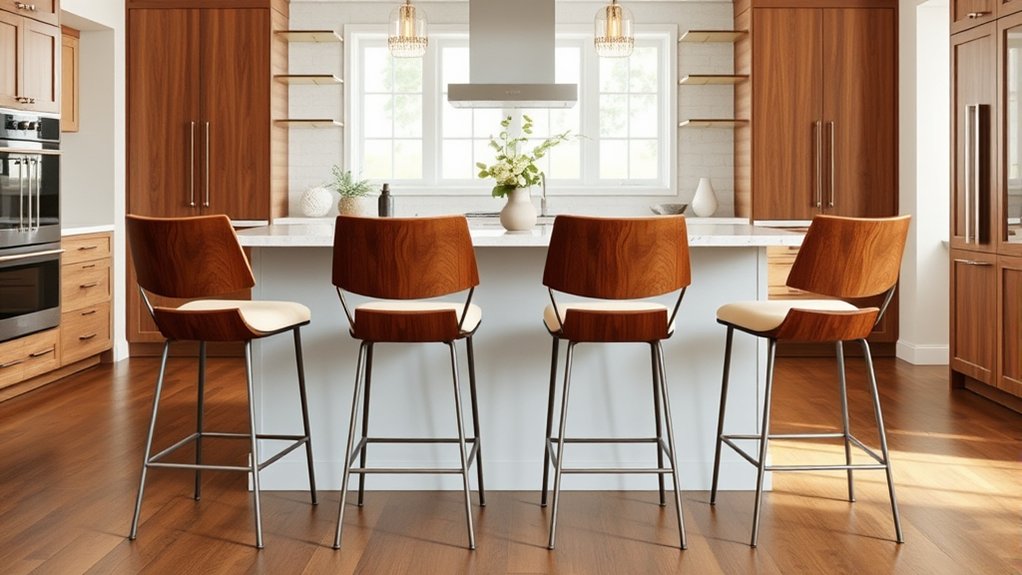
Bar stools can make or break your island’s look, so choose them carefully. First, measure your counter height to find the right stool size. Then, pick materials and finishes that complement your island. Finally, look for a balance of comfort and style—your stools should look great and stand up to daily use.
Measure Counter Height Correctly
Before you buy a single stool, grab a tape measure and check your island’s height from the floor to the countertop surface. Measuring accurately now saves you from returning stools that don’t fit later. Most islands fall into one of these standard counter height categories:
- 30″ counter height – pairs with 22-26″ stools
- 36″ standard counter height – pairs with 24-27″ stools
- 42″ bar height – pairs with 28-33″ stools
- Custom heights – require case-by-case measuring
Once you know your island’s height, subtract 10-12 inches to find your ideal stool height. This gap gives your knees room to fit comfortably underneath. Don’t guess. Write the exact number down and bring it with you when shopping, whether in-store or online.
Match Material And Finish
Once you’ve nailed down the right height, think about how your stools will visually connect with the island itself. Material coordination matters more than you’d think. If your island features wood cabinetry, consider stools with wooden legs or seats that echo that warmth. For a waterfall quartz or marble island, metal-framed stools often create a cleaner contrast.
Finish consistency ties the whole look together. Match your stool’s hardware or frame finish to existing fixtures, like cabinet pulls or faucet finishes, to avoid a mismatched feel. You don’t need identical finishes everywhere, but staying within the same metal family, such as brass, matte black, or brushed nickel, keeps things cohesive.
When materials and finishes align, your island feels intentional rather than assembled piecemeal.
Balance Comfort With Style
Since you’ll likely sit at your island for hours at a time, comfort shouldn’t take a back seat to looks. The right bar stools bring cozy seating into the kitchen while keeping the design cohesive. Before you buy, consider these factors:
- Height: Match stool height to your island’s counter for proper legroom.
- Back support: Choose stools with backrests if you plan to linger during meals or conversations.
- Material: Pick upholstered seats for softness or wood and metal for durability.
- Style: Select finishes that echo your island’s hardware or lighting.
Once you’ve nailed the basics, add elegant accessories like woven cushions or brass footrests. These small touches heighten comfort without sacrificing your kitchen’s polished look.
Choose Lighting That Sets the Mood
Three pendant lights hung at even intervals above your island can instantly transform the space from purely functional to downright inviting. Lighting isn’t just practical; it’s a mood setting tool that shapes how your kitchen feels day and night.
Choose fixtures with dimmer switches so you can shift from bright task lighting while cooking to softer ambient lighting during dinner parties. Warm bulbs create a cozy glow, while cooler tones feel crisp and modern.
Don’t overlook the finish of your fixtures. Brass and matte black add contrast, while glass pendants keep things airy and light. Here’s a quick guide to help you choose:
| Lighting Style | Best For |
|---|---|
| Warm Pendants | Cozy, relaxed evenings |
| Cool LED Strips | Bright task work |
| Dimmable Fixtures | Flexible mood setting |
| Statement Chandeliers | Bold focal points |
Pick what matches your island’s purpose and personality.
Style With Everyday Essentials
Your kitchen island doesn’t need fancy decor to look pulled together. Everyday essentials can do the job just as well. A bowl of fresh fruit or a wooden board adds color and texture, while a stack of favorite cookbooks brings personality and function together. Even daily-use items, like a utensil crock or cutting board, can double as decor when arranged with care.
Fruit Bowls And Boards
Why not let your daily essentials do double duty as decor? A well-placed fruit bowl brings color, texture, and life to your island while keeping snacks within reach. Thoughtful fruit presentation turns a simple bowl into a focal point, and varying your bowl arrangements keeps the look fresh throughout the week.
Try these ideas to heighten your island:
- Ceramic bowls – Choose bold glazes or neutral tones to match your kitchen’s palette.
- Wooden boards – Layer in citrus or apples for rustic charm.
- Woven baskets – Add texture with natural materials.
- Tiered stands – Create height and visual interest.
Rotate fruits by season, and group colors intentionally. This small styling choice keeps your island functional, inviting, and effortlessly beautiful.
Stylish Cookbook Display
Since cookbooks already live in your kitchen, stack them on the island and let them pull double duty as decor. Arrange three or four by size, largest on the bottom, to create an instant styling moment you don’t have to shop for. Prop one open to a favorite recipe for a lived-in, inviting touch, or lean a couple against a stack for visual interest.
If your island has a shelf below the counter, use it as display shelving for cookbooks you reach for often. This keeps countertops clear while still showcasing your collection. Group titles by cuisine or color for simple cookbook organization that looks intentional rather than cluttered.
Add a small plant or canister nearby to round out the display without overcrowding it.
Everyday Kitchen Tools
Because you’re already reaching for them daily, utensil crocks, cutting boards, and oil cruets make natural island decor. These everyday pieces earn their spot by working as hard as they look good, turning kitchen gadgets into design elements instead of clutter.
Choose a few functional items to anchor your island’s look:
- A ceramic utensil crock holding wooden spoons and spatulas
- A wooden cutting board leaned against a stand for texture
- Glass oil cruets filled with olive oil or vinegar
- A small canister for utensil storage of everyday essentials like scissors or peelers
Keep groupings tight and purposeful. Rotate pieces based on what you’re cooking that week, and let your island reflect how you actually use your kitchen, not just how it looks in photos.
Add a Fruit Bowl or Fresh Greenery
What better way to bring life to your kitchen island than with a bowl of fresh fruit or a small plant? A well-placed fruit arrangement adds color and texture while staying functional—you’ll actually use what’s on display. Choose a bowl that complements your island’s finish, whether it’s wood, ceramic, or woven material, and fill it with fruits that vary in color and shape for visual interest.
If fruit isn’t your style, greenery offers a similar effect. A small potted herb garden, a vase of fresh flowers, or a trailing plant like pothos can soften hard surfaces and introduce a natural element to the space. Keep the scale in mind: oversized arrangements can overwhelm a smaller island, while tiny ones get lost on a larger one.
Either option keeps your island looking inviting without requiring much effort, and you can switch things up seasonally to keep the look fresh.
Stack Cookbooks and Trays for Effortless Charm
When you stack a few cookbooks on your island, you create instant height and personality without cluttering the space. Choose two or three titles with colorful spines or interesting covers, then let them double as a stand for a small plant or candle.
This simple trick turns cookbook organization into a styling opportunity rather than just storage.
Trays add another layer of charm. Use one to corral items like oils, salt dishes, or a small vase, keeping your island looking intentional instead of messy. Tray styling works because it defines zones and makes cleanup easier.
Try this approach:
- Stack three cookbooks by size, largest on the bottom.
- Top the stack with a small plant or ceramic object.
- Place a wooden or marble tray nearby.
- Fill the tray with two or three functional, pretty items.
This combination gives your island warmth, structure, and effortless style.
Refresh With Seasonal Touches
Since your kitchen island sees daily use, it deserves décor that evolves with the calendar. Swap out small details throughout the year to keep the space feeling fresh without overhauling the whole design.
In fall, add a wooden bowl of mini pumpkins or a bundle of cinnamon sticks. Winter calls for pinecones, evergreen sprigs, or a cluster of candles in deep hues. Spring thrives on fresh flowers, pastel linens, and citrus in a glass bowl. Summer favors bright fruit, woven baskets, and light, airy textures.
Seasonal accents don’t need to be elaborate. Just a few well-chosen pieces make a noticeable difference. During holidays, lean into festive details like mini ornaments, themed runners, or a small wreath propped against a riser. Holiday themes work best when kept simple, so they don’t overwhelm the counter.
Rotating these touches keeps your island feeling current, inviting, and connected to the rhythm of the year.
Mix Textures and Materials for Visual Interest
Because a kitchen island often features sleek stone or quartz countertops, it needs contrasting textures to avoid feeling flat or sterile. Textural contrast brings warmth and dimension to an otherwise cold surface, making the space feel lived-in rather than showroom-perfect. Material layering—pairing smooth with rough, matte with glossy—creates visual interest without cluttering the design.
Smooth meets rough, matte meets glossy—textural contrast is what turns a cold countertop into a lived-in space.
Try combining these elements for balance:
- Woven baskets or rattan trays to hold fruit or utensils, adding organic texture.
- Ceramic or stoneware bowls with matte finishes to offset shiny countertops.
- Wooden cutting boards propped upright for both function and rustic appeal.
- Metal accents, like brass candleholders or stainless steel canisters, to introduce subtle shine.
Don’t overload the island with too many materials at once. Choose three or four textures max to keep the layering intentional rather than chaotic, giving your kitchen island a curated, designer-inspired look that feels both functional and visually rich.
Keep Your Island Clutter-Free and Personal
Although it’s tempting to fill every inch of counter space, your island works best when you edit it down to what you actually use and love. Pick three to five items that matter to you, then let the rest go. A stack of favorite cookbooks, a bowl of fresh fruit, or a small vase of flowers adds character without creating visual noise.
Good personal organization means giving everything a purpose. Skip the mail pile, stray keys, and random gadgets. If you need a spot for daily essentials, use a tray or small basket to corral them. This simple clutter management trick keeps surfaces looking intentional rather than chaotic.
Your island should feel like an extension of your style, not a catchall. Rotate decor seasonally to keep things fresh, and resist the urge to add “just one more thing.” A clean, curated island invites people to gather instead of making them search for counter space.
Frequently Asked Questions
How Much Does It Cost to Decorate a Kitchen Island on Average?
You’ll typically spend $50 to $300 decorating your kitchen island, depending on your style choices. With smart budget planning, you can add decorative accents like a fruit bowl, cutting board display, or small plants for under $100.
If you’re after a more curated look, you might invest in higher-end pieces like ceramic vases or a statement centerpiece. Start small, see what you love, and build from there. You don’t need to spend a fortune to make your island shine!
Can I Decorate a Kitchen Island Without Stools or Seating?
Yes, you absolutely can! You don’t need stools or seating to make your kitchen island shine. Focus on decorative accessories like a stylish fruit bowl, cutting boards, or a vase of fresh flowers to add personality.
You can also rotate seasonal accents throughout the year—think pumpkins in fall or fresh greenery in winter. These small touches create visual interest and make your island feel inviting, even without seating.
What Size Kitchen Island Works Best for Decorating Purposes?
Think of your island as a canvas waiting for the right amount of paint. Too small and your masterpiece feels cramped; too large and it swallows your efforts whole.
A 6-8 foot island hits that sweet spot, giving you breathing room for color schemes and decorative accessories without overwhelming the space. You’ll have enough surface for a centerpiece, some stacked bowls, and seasonal touches, while still leaving plenty of room to work.
How Often Should I Change My Kitchen Island Decor?
You should refresh your kitchen island decor every few months to keep things feeling fresh and inviting. Try embracing seasonal updates—swap in pumpkins and warm tones for fall, then shift to pastels and florals come spring.
Rotating your color schemes throughout the year not only keeps your space on-trend but also lets you highlight different decorative pieces you own. Don’t be afraid to experiment; you’ll quickly uncover what combinations you love most!
Is It Safe to Decorate an Island Used for Food Prep Daily?
Yes, it’s safe. Studies show 80% of kitchen contamination happens on cluttered surfaces, so picture a clean zone framing your workspace, not crowding it. You’ll want to prioritize food safety by keeping decor items on the island’s edges or ends, away from prep zones.
Choose pieces with strong decor durability, like sealed wood bowls or washable ceramic, so you can wipe them down daily without worrying about damage or bacteria buildup.
Conclusion
Your kitchen island isn’t just a surface—it’s the heart of your home, and decorating it well is like composing a song where every element plays its part. You’ve got the layout, the colors, the stools, the light, and the little personal touches.
Now it’s time to bring them together. Keep it functional, keep it beautiful, and most importantly, keep it yours. That’s how you’ll create a kitchen island you’ll love living with.