How Much Does It Cost to Renovate a Kitchen?
Wondering how much it costs to renovate a kitchen can feel overwhelming, especially when every estimate seems different. You’re not alone—many homeowners struggle to balance their dream design with a realistic budget.
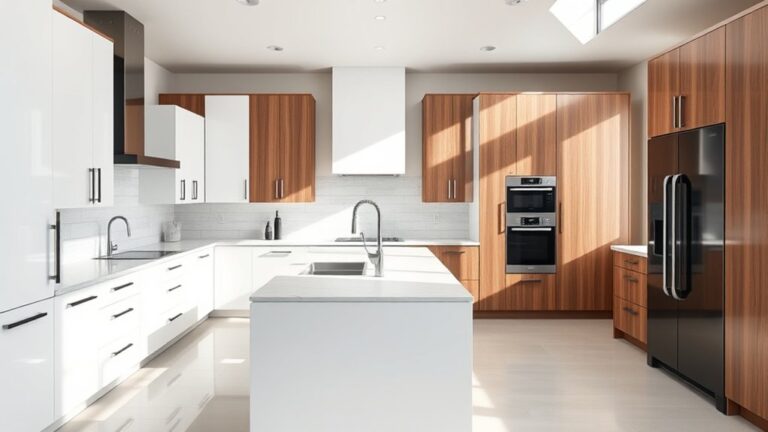
Your kitchen renovation cost depends on size, materials, and scope. Small kitchens can run under $20,000, mid-range projects (around 200 sq ft) typically cost $20,000–$35,000, and larger or high-end renovations can exceed $60,000, sometimes topping $100,000.
Cabinets, countertops, appliances, and labor all factor into your final price tag, with regional rates and material choices playing a big role too. Keep going to see exactly where your money will go.
Key Takeaways
- Kitchen renovation costs range from under $20,000 for small spaces to over $100,000 for high-end projects.
- Cabinets vary widely: stock ($100–$300/linear ft), semi-custom ($150–$650), or custom ($500–$1,200+).
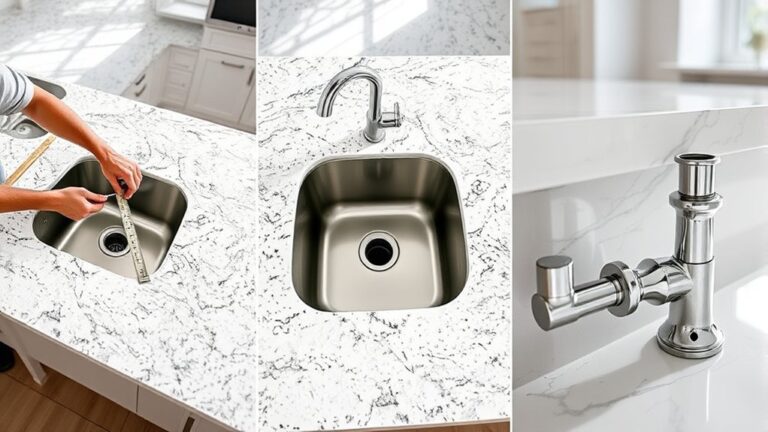
- Countertop prices range from $20/sq ft for laminate to $150/sq ft for marble, depending on material.
- Labor costs typically make up 20–35% of total renovation expenses, plus 10–20% contractor fees.
- Mid-range renovations cost $20,000–$35,000, while high-end upgrades often exceed $50,000–$100,000.
What Drives Kitchen Renovation Costs Up or Down?
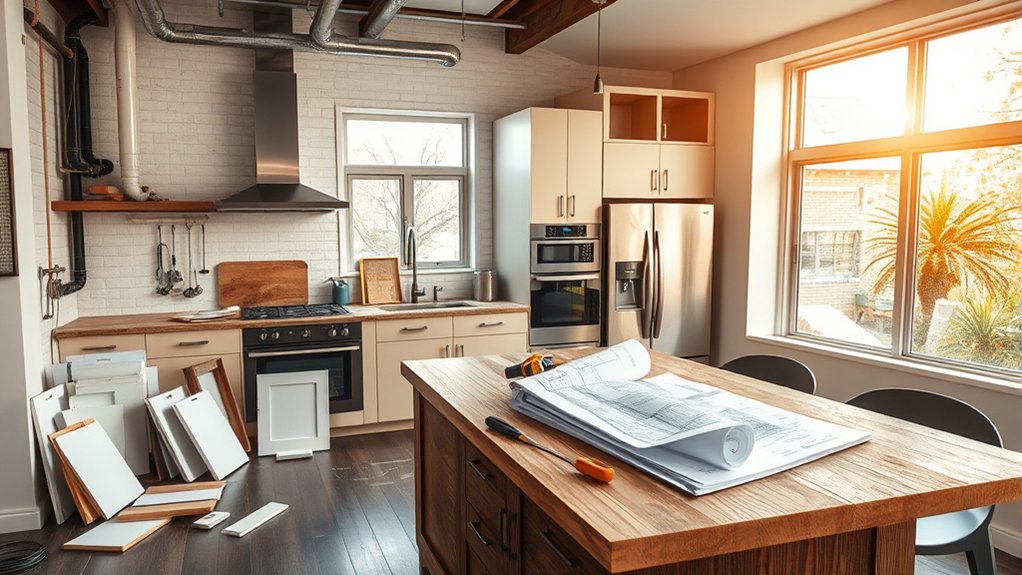
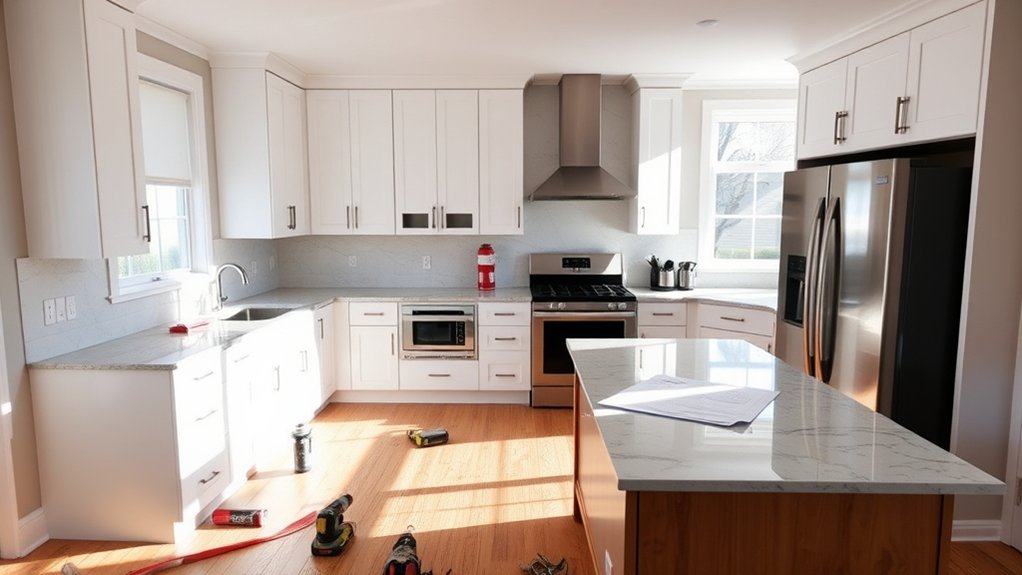
Why does one kitchen remodel cost $15,000 while another hits $60,000? The answer lies in scope, materials, and labor. If you’re only swapping countertops and repainting cabinets, you’ll spend far less than if you’re gutting the space and reconfiguring plumbing or electrical lines.
Material choices matter too. Laminate countertops cost a fraction of quartz or granite, and stock cabinets run cheaper than custom builds. Choosing eco friendly materials, like bamboo flooring or recycled glass tiles, can add upfront costs but often pays off through durability and energy savings.
Labor rates vary by region and contractor experience, so getting multiple quotes helps you avoid overpaying. Adding smart technology, such as voice-controlled lighting or app-connected appliances, increases your budget but boosts convenience and home value.
Ultimately, your choices around size, finishes, and features determine whether your project leans toward budget-friendly or high-end.
Cabinet Costs: Stock, Semi-Custom, and Custom Options

Cabinets often eat up the biggest chunk of your renovation budget, so it pays to know your options before you commit. Your choice affects both price and cabinet durability, so weigh quality against cost before signing off on a style.
- Stock cabinets – Pre-made and ready to install, these run $100-$300 per linear foot. They’re budget-friendly but offer limited sizing and finish choices.
- Semi-custom cabinets – Priced between $150-$650 per linear foot, these let you adjust dimensions, finishes, and storage features to fit your space.
- Custom cabinets – Built to your exact specifications, these cost $500-$1,200+ per linear foot and deliver superior craftsmanship and longevity.
- Material choice – Solid wood outlasts particleboard, directly impacting long-term performance.
Cabinet installation costs add another layer to your budget. Expect to pay $150-$380 per cabinet for labor, depending on complexity and whether you’re replacing or installing new.
Countertop Materials and Their Price Differences
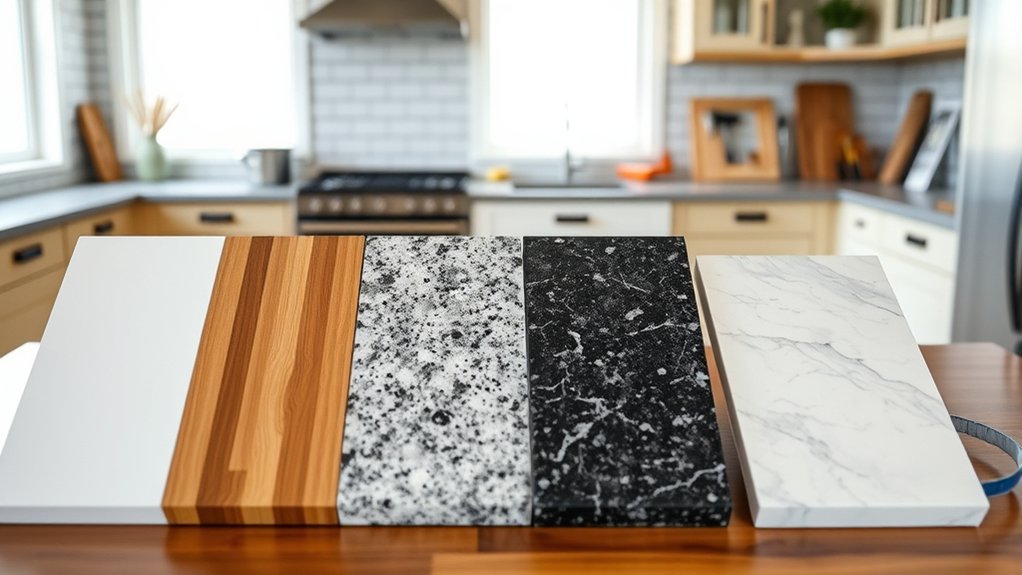
Once you’ve settled on cabinets, your countertop choice becomes the next major cost factor, and prices vary widely depending on material. Laminate remains the budget-friendly option, running $20 to $50 per square foot installed, though it won’t match the longevity of pricier alternatives.
Granite and quartz sit in the mid-to-high range, typically $50 to $100 per square foot. Quartz offers excellent countertop durability since it’s non-porous and resists stains, scratches, and heat better than many natural stones. Granite delivers unique veining but requires periodic sealing to maintain performance.
If material sustainability matters to you, consider recycled glass or reclaimed wood countertops. These options reduce environmental impact while still looking distinctive, though costs can climb to $80 or more per square foot.
Marble, prized for its elegance, costs $75 to $150 per square foot but stains easily, making it less practical for heavy daily use.
Appliance Costs That Can Make or Break Your Budget
After you’ve locked in cabinets and countertops, appliances come next, and they can swing your budget dramatically depending on brand and features. A basic appliance package can run $3,000-$5,000, while high-end brands push costs well past $15,000.
Your kitchen layout determines what you actually need. Galley kitchens demand slimmer refrigerators, while larger spaces can accommodate double ovens or professional-grade ranges.
Before you buy, weigh these four factors:
- Energy efficiency: ENERGY STAR models cost more upfront but save money long-term.
- Size compatibility: Measure your space before falling for that oversized range.
- Smart features: Wi-Fi connectivity adds convenience but also adds dollars.
- Appliance warranties: Extended coverage protects you from costly repairs down the road.
Don’t skip reading the fine print on warranties. Some only cover parts, not labor.
Prioritize appliances that match your cooking habits rather than splurging on features you won’t use. Smart spending here keeps your overall renovation on track.
Labor Costs: Hiring a Contractor vs. Going DIY
Labor can account for 20–35% of your kitchen renovation budget, so deciding who does the work matters. Hiring a contractor costs more, but you’re paying for their expertise, speed, and accountability. DIY can save you money on labor, though mistakes may end up costing more to fix later.
Contractor Costs Breakdown
How much should you budget for professional help versus rolling up your sleeves yourself? Contractors typically charge 10% to 20% of your total project cost for overseeing the job, but that fee often includes value you can’t replicate alone.
Here’s what you’re paying for:
- Project management – coordinating electricians, plumbers, and installers on schedule.
- Skilled labor – precise work on plumbing fixtures, electrical wiring, and cabinetry.
- Permit handling – navigating inspections and code compliance without delays.
- Warranty protection – accountability if something fails post-installation.
Going DIY saves labor costs but shifts risk to you, especially with appliance maintenance and connections that require licensed expertise. Weigh your skill level honestly. Mistakes here often cost more than hiring it out would’ve.
DIY Savings and Risks
Since labor eats up 20% to 35% of a typical kitchen remodel budget, doing some work yourself can free up real money for better materials. You’ll save the most by handling demolition, painting, and installing cabinet hardware yourself—tasks that don’t require licensing or specialized tools.
Before you grab a sledgehammer, though, think through risk management: skipping permits or botching electrical work can cost you more than you saved, and insurance won’t cover DIY mistakes that cause damage.
Common DIY pitfalls include misjudging plumbing connections, cutting countertops incorrectly, and underestimating how long projects actually take. If you’re not confident tackling something, hire a pro for that specific task.
Mixing DIY labor with targeted professional help often gives you the best balance of savings and quality.
Small Kitchen Remodel Costs: What to Expect
If you’re remodeling a smaller kitchen, you can typically expect to spend between $10,000 and $15,000. With less space to work on, you’ll generally need fewer materials and less labor. You can bring costs down even more by choosing budget-friendly options, such as laminate countertops and stock cabinets instead of custom ones.
Of course, making the most of every inch is key. Smart storage and an efficient layout can help your kitchen feel more spacious without adding square footage.
Average Small Kitchen Costs
What should you expect to pay for a small kitchen remodel? Most homeowners spend between $10,000 and $25,000, depending on finishes and layout changes. Your budget breakdown typically looks like this:
- Cabinetry: $3,000–$8,000, depending on material durability and style
- Countertops: $1,500–$4,500 for quartz or granite
- Appliances: $2,000–$6,000, factoring in current appliance trends like smart features
- Labor and installation: $2,500–$6,500
Smaller spaces often mean lower material costs, but don’t assume you’ll save on labor. Plumbing and electrical work cost the same regardless of square footage.
Choosing durable materials upfront saves you money long-term, since you won’t face premature replacements in a heavily-used space.
Budget-Friendly Material Choices
Because small kitchens demand fewer materials, you can stretch your budget further by choosing smart alternatives to premium finishes. Laminate countertops now mimic quartz and granite convincingly, saving you hundreds while delivering a similar look.
Stock cabinets, rather than custom builds, cut costs considerably without sacrificing durability or style. You’ll also find that vinyl or luxury vinyl plank flooring offers the warmth of hardwood at a fraction of the price.
Consider eco friendly materials like bamboo or reclaimed wood for accents—they’re often more affordable than traditional options and add character to your space. Shopping salvage yards or thrift stores for vintage fixtures, such as faucets or cabinet hardware, lets you inject personality into your kitchen without spending full retail price.
These choices prove that budget-conscious doesn’t mean style-deprived.
Maximizing Space Efficiently
Since small kitchens leave little room for error, smart layout choices matter as much as material selection. You’ll want every inch to earn its keep, so focus on function first.
- Vertical storage – Tall cabinets and open shelving free up floor space while keeping essentials within reach.
- Multi-purpose islands – A compact island with built-in storage doubles as prep space and seating.
- Lighting design – Layered lighting makes a small kitchen feel larger and highlights work zones effectively.
- Compact appliances – Slimmer refrigerators and two-burner cooktops save valuable square footage.
Choosing sustainable materials, like bamboo cabinetry or recycled countertops, adds eco-friendly value without crowding your space. Expect costs between $10,000 and $25,000, depending on layout complexity and material upgrades you select.
Mid-Range Renovation Costs for a Standard Kitchen
For a standard kitchen measuring around 200 square feet, you’ll typically spend between $20,000 and $35,000 on a mid-range renovation. This budget covers semi-custom cabinets, mid-grade countertops like quartz or granite, and new flooring that balances durability with style.
You’ll also allocate funds for updated plumbing fixtures, lighting, and energy-efficient appliances that replace outdated or vintage appliances struggling to keep up with modern demands.
Backsplash materials play a significant role in this budget too. Options like ceramic tile or subway tile offer an affordable way to add visual interest without straining your finances, while natural stone or glass tiles push costs higher.
Labor costs usually account for a substantial portion of your total spend, especially if you’re hiring licensed electricians or plumbers. By prioritizing quality materials in high-impact areas, you’ll achieve a refreshed, functional kitchen without stretching into luxury-level pricing.
High-End Kitchen Renovation Costs and Luxury Upgrades
Once you cross into high-end territory, you’re looking at $50,000 to $100,000 or more for a complete kitchen transformation. At this level, you’re not just renovating. You’re investing in craftsmanship, customization, and premium materials that raise your home’s value and daily living experience.
Your budget typically covers:
- Luxury appliances – Think professional-grade ranges, built-in espresso machines, and smart refrigerators from brands like Sub-Zero or Wolf.
- Premium countertops – Exotic granite, quartzite, or marble slabs with waterfall edges add dramatic visual impact.
- Custom cabinetry – Hand-built, made-to-order cabinets with specialty finishes and soft-close hardware.
- Designer lighting and layout – Statement fixtures, under-cabinet LED systems, and architect-designed layouts maximize both function and style.
At this tier, you’re paying for precision, exclusivity, and materials that won’t appear in standard renovations. Every detail, from hardware to hidden storage, gets tailored to your exact preferences, creating a kitchen that’s truly one-of-a-kind.
Average Kitchen Renovation Cost by Region and Home Size
Luxury finishes aren’t the only thing that moves your budget. Where you live and how big your kitchen is play just as big a role. Labor costs in coastal cities and major metros run higher than in the Midwest or rural areas, sometimes adding thousands to the same project.
Square footage matters too: a larger kitchen means more cabinets, more countertop, and more flooring to cover.
| Region/Size | Average Cost |
|---|---|
| Small kitchen (under 100 sq ft) | $10,000–$20,000 |
| Midwest/South (average size) | $15,000–$30,000 |
| West Coast/Northeast | $25,000–$45,000 |
| Large kitchen (300+ sq ft) | $35,000–$60,000+ |
Even within these ranges, your choices shift the number. Adding eco friendly materials, like reclaimed wood or recycled countertops, can raise upfront costs but lower long-term expenses.
Smart technology, from voice-controlled lighting to app-connected appliances, adds another layer of investment depending on your region’s labor rates and installation demand.
How to Save on Kitchen Renovation Without Sacrificing Quality
You don’t have to gut your kitchen to make it feel new. Refinishing the cabinets, countertops, or floors can save you thousands compared with replacing them. And keeping the existing layout can cut costs even more, since moving plumbing or electrical lines quickly adds to labor expenses. Put your budget toward updates that improve the way your kitchen looks and works, rather than changing a layout that already suits you.
Refinish Instead of Replace
Rather than tearing out cabinets that still have good bones, consider refinishing them instead. You’ll save thousands while still achieving a dramatic transformation. A full cabinet replacement can cost ten times more than a refresh, so refinishing cabinets deserves serious consideration before you swing the demo hammer.
Here’s where to focus your refinishing efforts:
- Cabinets – Sand, prime, and repaint for a brand-new look
- Countertops – Paint countertops with specialty kits instead of replacing stone or quartz
- Hardware – Swap outdated knobs and pulls for modern finishes
- Backsplash – Apply peel-and-stick tile over existing surfaces
These updates deliver major visual impact without the cost or mess of full replacement, letting you reinvest savings into high-priority upgrades elsewhere in your kitchen.
Keep Existing Layout
Because moving plumbing and electrical lines drives up renovation costs fast, keeping your kitchen’s existing layout is one of the smartest ways to save. When your sink, stove, and fridge stay put, you avoid costly rerouting and structural changes that eat into your budget.
Instead, put those savings toward upgrades that actually improve your daily experience. Choose eco friendly materials like bamboo flooring or recycled glass countertops to boost sustainability without blowing your budget. You can also invest in smart kitchen technology, such as voice-activated faucets or app-controlled ovens, to modernize your space without touching a single wall.
Keeping your layout intact doesn’t mean settling for less. It means spending wisely on upgrades that deliver real value, style, and function.
Frequently Asked Questions
How Long Does a Typical Kitchen Renovation Take to Complete?
You’ll typically spend six to eight weeks completing a kitchen renovation, though timelines vary based on project scope. If you’re changing your kitchen layout, you’ll need extra time for structural work, plumbing, and electrical adjustments.
Your material selection also impacts the schedule—custom cabinetry and specialty countertops often require longer lead times than in-stock options. Planning ahead and finalizing decisions early can help you avoid delays and keep your renovation on track.
Do I Need a Permit to Renovate My Kitchen?
Managing permits is like untangling a web: tedious, but necessary before you plunge in. Yes, you’ll likely need a permit if you’re moving plumbing, electrical lines, or structural walls. Permit requirements vary by city, so you can’t skip checking with your local building department.
Minor cosmetic updates, like painting or swapping fixtures, usually don’t require one. Always review your area’s renovation regulations first. You’ll avoid fines and help ensure your project passes inspection smoothly.
Will a Kitchen Remodel Increase My Home’s Resale Value?
Yes, you’ll likely see a strong return on investment. Updated kitchen design appeals to buyers and makes your home feel modern and move-in ready. Strategic appliance upgrades, especially energy-efficient models, add value without requiring a full overhaul.
You don’t need to go all out. Focus on improvements that boost functionality and visual appeal, like fresh countertops, updated cabinetry, or better lighting. Buyers often prioritize kitchens, so even moderate updates can considerably increase your home’s resale value and attract more interest.
Can I Live at Home During a Kitchen Renovation?
Yes, you can live at home during your kitchen renovation, but you’ll want to plan your living arrangement carefully. You’ll likely set up a temporary cooking space elsewhere in your house, like a dining room or basement, to handle meals. Noise management also matters. Expect loud demolition and construction sounds during work hours. If you’re sensitive to disruption or have young kids, consider adjusting your daily routine or scheduling quiet time away from home during peak construction phases.
What Financing Options Are Available for Kitchen Renovations?
Funding your fabulous kitchen facelift doesn’t have to drain your savings. You’ve got several kitchen financing routes worth exploring: home equity loans, HELOCs, cash-out refinancing, or personal renovation loans.
If you’ve got equity built up, you’ll likely snag lower interest rates through equity-based options. Don’t qualify or prefer not to tap your home’s value? You can still pursue unsecured renovation loans or even contractor-arranged financing plans, though you’ll want to compare rates carefully first.
Conclusion
Your kitchen renovation can cost as little as a few thousand dollars or soar into six figures. It all depends on the choices you make. You can splurge on custom cabinets or save with stock options; you can hire a contractor or roll up your sleeves yourself.
Whether you’re chasing luxury or practicality, you’re in control of the outcome. Plan wisely, balance your wants against your budget, and you’ll create a kitchen that truly works for you. Knowing how much it costs to renovate a kitchen can help you make choices that fit your budget.