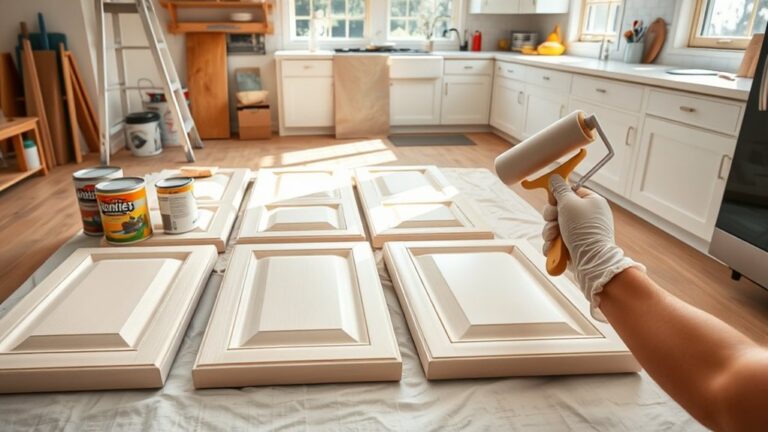
How Much Do Kitchen Cabinets Cost?
Choosing new cabinets can feel overwhelming, especially when you’re trying to balance style, quality, and budget. You’re not alone—many homeowners struggle to understand how much kitchen cabinets cost and which options offer the best value.
You’ll typically spend $5,000 to $25,000 on kitchen cabinets, including installation. Stock cabinets offer the lowest price, while semi-custom and custom options cost more for upgraded materials, finishes, storage, and specialized sizing.
Your kitchen’s size, layout, cabinet material, hardware, and installation complexity will determine the final total. Set aside another 10% to 20% for unexpected expenses, and compare itemized quotes before ordering.
The sections below explain pricing, installation, materials, and practical ways to save.
Key Takeaways
- Kitchen cabinets typically cost $5,000–$25,000, including materials and installation.
- Stock cabinets are cheapest, semi-custom options cost more, and custom cabinetry offers maximum flexibility at the highest price.
- Materials such as laminate and thermofoil reduce costs, while solid wood and premium finishes increase them.
- Installation commonly adds $2,000–$8,000, depending on kitchen size, layout complexity, and fitting requirements.
- Budget separately for hardware, countertops, lighting, plumbing, permits, and 10–20% for unexpected expenses.
How Much Do Kitchen Cabinets Cost?

Kitchen cabinets typically cost between $5,000 and $25,000, including materials and installation, though your final price will depend on the cabinet type, kitchen size, layout, and finish. You’ll usually spend less on stock cabinets, while semi-custom and custom designs increase your budget through tailored dimensions, upgraded construction, and specialized details.
Your kitchen’s size affects how many cabinets you need, but layout changes can also influence labor costs. Complex corners, islands, filler pieces, and difficult access may require additional planning and installation time.
You should also budget for hardware, trim, panels, delivery, demolition, and disposal if your project includes cabinet replacement. Cabinet styles range from streamlined slab doors to raised-panel and shaker designs, with each option carrying different material and labor costs.
Color options can affect pricing, especially when you choose specialty paint, wood stains, or multi-tone finishes. Request itemized estimates from several contractors so you can compare materials, labor, accessories, and potential fees before approving your project.
How Do Cabinet Types Compare?

Cabinet types vary in price, flexibility, and construction, so comparing them can help you match your budget with your kitchen’s design needs.
Stock cabinets offer the quickest, simplest option. Manufacturers produce them in standard sizes and popular finishes, so you’ll find fewer design choices but faster availability.
Semi-custom cabinets give you more control over dimensions, storage features, finishes, and Cabinet styles without the fully personalized process.
Custom cabinets provide the broadest flexibility, letting you tailor nearly every detail to your room and preferences. However, they typically require more planning.
As you compare options, consider what matters most:
- Stock: Best for straightforward layouts and tighter budgets.
- Semi-custom: Balances personalization, selection, and value.
- Custom: Fits unusual spaces and highly specific designs.
Also evaluate construction quality and Material durability. Solid wood, plywood, and quality hardware may withstand daily use better than lower-grade alternatives.
Your cabinet choice should reflect your kitchen’s layout, how heavily you’ll use it, desired appearance, and how much customization you actually need, not just its initial price.
How Does Cabinet Cost Per Linear Foot Work?
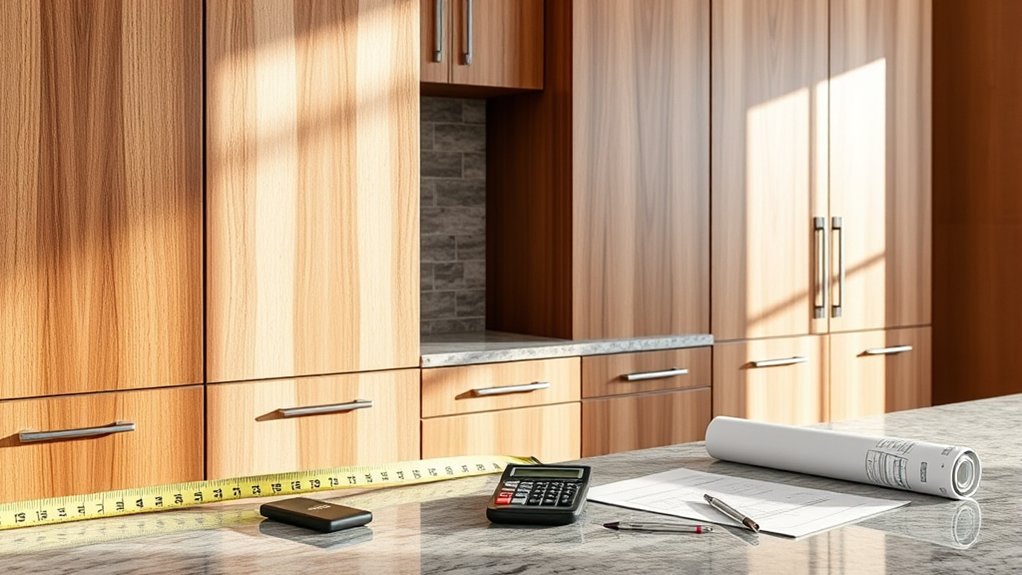
Cost per linear foot gives you a quick way to estimate cabinet pricing by measuring the total length of wall and base cabinets in feet, then multiplying that number by the cabinet rate. For example, 20 linear feet at $300 per foot produces a preliminary cabinet cost of $6,000.
Use this figure for comparison, not a final quote. Rates may cover boxes and doors but exclude installation, hardware, countertops, delivery, and other services.
Ask each contractor what the stated price includes before comparing estimates. Cabinet finishing, such as paint, stain, or specialty coatings, can raise the rate.
Custom design also typically costs more because it may require unique dimensions, storage features, decorative details, or additional planning.
Measure each cabinet run carefully, rounding consistently according to the estimator’s method. Separate wall, base, and tall cabinets if they carry different rates.
Then request an itemized quote so you can see how materials, labor, and upgrades affect your total.
How Does Kitchen Size Affect Cabinet Costs?
Room size affects cabinet costs mainly because larger kitchens usually require more linear feet of cabinetry, while smaller kitchens may need fewer cabinets but can still include expensive specialty features. Your kitchen layout also influences how efficiently you use that space.
A compact room may cost more per cabinet if you add corner units, tall storage, or custom sizing. In a larger kitchen, extra wall and base cabinets increase the total, though a straightforward design can keep installation simpler.
Consider how your cabinet placement affects the estimate:
- Small kitchens: Fewer cabinets can reduce the total, but tight corners and limited access may add labor.
- Medium kitchens: Standard cabinet runs often provide a predictable balance between storage and cost.
- Large kitchens: More linear footage, islands, and separate work zones typically raise the project total.
Measure each wall, doorway, and opening before requesting quotes. You’ll get a more realistic budget by counting cabinets, drawers, and planned accessories rather than relying on room size alone.
Which Kitchen Cabinet Materials Cost More?
Beyond kitchen size and layout, the material you choose can have an even greater effect on your cabinet budget. Budget-friendly thermofoil and laminate cabinets typically cost less because manufacturers produce them efficiently.
Their smooth surfaces resist some stains, but heat and moisture can cause damage over time.
Medium-priced options include painted or stained MDF and plywood. Plywood usually costs more than particleboard because it offers greater strength, better screw-holding power, and improved moisture resistance.
Solid wood, such as maple, oak, or cherry, often commands a premium, especially when you choose higher-grade lumber. Your cabinet durability expectations should guide the decision, not price alone.
Material maintenance also affects long-term value. Wood may need occasional touch-ups or refinishing, while laminate generally wipes clean with minimal effort.
If you want a natural appearance and decades of service, you’ll likely pay more upfront. Compare material quality, moisture resistance, repairability, and expected lifespan to find the best balance for your kitchen budget.
Local labor rates can also change installation costs.
Which Cabinet Features Raise the Price?
Which cabinet features raise the price most? Beyond material choice, upgrades that improve appearance, storage, and convenience can quickly increase your kitchen cabinet budget.
Consider which additions match your cooking habits and long-term priorities before selecting every premium option.
- Custom sizing: Cabinets built to unusual dimensions, ceiling height, or challenging corners require more design work and specialized construction than standard boxes.
- Interior storage: Roll-out trays, deep drawers, pull-out spice racks, lazy Susans, and vertical dividers make organization easier, but each accessory adds hardware and manufacturing costs.
- Decorative details: Glass doors, intricate trim, exposed end panels, built-in lighting, and luxury finishes create a tailored look at a higher price.
You’ll also pay more for soft-close hinges and drawer slides, which reduce noise and wear.
Smart features, such as touch-latch doors, charging drawers, and integrated lighting controls, add convenience while raising the total.
How Much Does Kitchen Cabinet Installation Cost?
Installation labor costs depend on your kitchen’s size, the type of cabinets you choose, and how complex the project is. Changes to the layout, custom features, and plumbing or electrical work can all increase the total cost.
You can install the cabinets yourself to save money, but hiring a professional can make the process faster and help ensure a precise fit.
Installation Labor Costs
Kitchen cabinet installation typically costs $50 to $450 per linear foot, or about $2,000 to $8,000 for labor on an average kitchen. You’ll usually pay an installer to measure, assemble, level, secure, and trim your cabinets.
Labor may also include attaching doors, drawers, hardware, and fillers for a finished appearance.
- Basic installation: Contractors install standard stock cabinets with straightforward layouts.
- Detailed installation: More involved assembly and fitting requires additional skilled labor.
- Finish work: Your installer may add crown molding, panels, toe kicks, or custom finishes.
Ask for a written labor estimate before work begins, and confirm what’s included. Some professionals charge by the linear foot, while others use hourly or project-based pricing.
Proper installation protects your investment, supports easier cabinet maintenance, and helps doors and drawers operate smoothly for years. You’ll also avoid costly adjustments caused by uneven mounting or poor alignment.
Factors Affecting Installation Prices
Several factors affect how much you’ll pay for cabinet installation, including your kitchen’s size and layout, cabinet type, wall condition, and the amount of assembly or finish work required. Tight corners, uneven floors, or plumbing obstacles can increase labor because installers need extra time and precision.
Ready-to-assemble cabinets may require more assembly, while custom units often demand careful fitting. Cabinet finishing, trim, molding, and hardware upgrades can also raise the final bill.
Discuss these details before work begins so you’re not surprised by added charges.
| Cost factor | Possible impact |
|---|---|
| Kitchen layout | More corners increase labor |
| Wall condition | Repairs add preparation costs |
| Cabinet style | Custom fitting costs more |
Ask for an itemized estimate covering installation, adjustments, finishing, and accessories. Clear planning helps you protect your budget and enjoy a smoother, less stressful kitchen transformation.
DIY Versus Professional Installation
Once you understand the factors that affect your estimate, you can decide whether to install the cabinets yourself or hire a professional. DIY installation can save labor costs, but you’ll need accurate measurements, specialized tools, patience, and time.
Mistakes can damage expensive materials or create alignment problems that affect doors, drawers, and countertops.
Hire a professional if your layout includes uneven walls, intricate details, or custom cabinetry. An installer typically completes the work faster and may provide guarantees, though labor increases your total budget.
- Choose DIY if you’re experienced, prepared, and comfortable solving problems.
- Hire a pro for complex layouts, heavy cabinets, or strict deadlines.
- Compare labor quotes, reviews, warranties, and cleanup services.
Whichever option you choose, careful installation supports better kitchen organization and simplifies cabinet maintenance. Factor permits, delivery coordination, and potential repairs into your final estimate before committing.
With realistic planning, you’ll avoid surprises and protect your investment.
What Other Remodeling Costs Apply?
Cabinet installation is only part of your remodeling budget. You may also need to pay for countertops, hardware, lighting, flooring, plumbing, painting, and permits.
Countertops often represent a major expense, especially when you choose quartz, granite, or other premium materials. Hardware costs depend on the number of knobs and pulls and their finish.
Premium countertops and carefully selected hardware can significantly influence your remodeling budget.
New lighting may require fixtures, wiring, and electrical labor. Flooring expenses vary by material and whether you must remove or level the existing surface.
Plumbing work can increase your total if you relocate the sink, dishwasher, or refrigerator water line. Painting typically includes wall preparation, primer, and multiple coats.
You might also need permits for structural, electrical, or plumbing changes, so check local requirements before work begins. Review current Design trends to coordinate finishes, and follow practical maintenance tips to protect your investment.
Request itemized estimates for each project so you can build a realistic remodeling budget and avoid unexpected costs.
How Can You Save on Kitchen Cabinets?
You can save on kitchen cabinets by comparing materials and choosing options that fit your budget. Ready-to-assemble cabinets are often less expensive than fully assembled ones. You can also reuse your existing hardware when possible, which helps you avoid unnecessary replacement costs.
Compare Cabinet Materials
Comparing cabinet materials can help you control your kitchen renovation costs without sacrificing style or durability. Set your budget first, then weigh appearance, longevity, and upkeep before choosing.
- Laminate: You’ll get an affordable, easy-to-clean finish in many colors, though edges can chip.
- Thermofoil: You’ll save money with a smooth, moisture-resistant surface, but excessive heat may cause peeling.
- Wood: You’ll pay more for natural character and strong cabinet durability, while refinishing can extend its life.
Consider material maintenance as part of the total cost. Laminate and thermofoil need only mild soap and water, while wood may require polishing, touch-ups, or refinishing.
Compare warranties, hardware compatibility, and resistance to moisture before deciding. A slightly higher upfront price can save you replacement costs later, especially in busy kitchens.
Choose the material that fits your budget and cleaning habits.
Choose Ready-to-Assemble
Ready-to-assemble (RTA) cabinets can lower your kitchen renovation costs because you’ll pay less for factory assembly and often find them in standard sizes and styles.
When you choose Ready to assemble options, you’ll typically receive flat-packed components that you assemble at home or with help from a contractor.
This approach can make your project more cost effective, especially if you have a straightforward kitchen layout and basic installation skills.
Compare cabinet dimensions, materials, finishes, warranties, and shipping fees before you buy. A low sticker price may not save money if missing parts, complicated instructions, or damaged panels create delays.
Measure your space carefully, and select a design that fits without extensive modifications.
You can also ask about bulk discounts or seasonal promotions to reduce your total cabinet cost.
Reuse Existing Hardware
After choosing ready-to-assemble cabinets, reuse compatible hardware from your existing kitchen to reduce additional costs. Before installation, remove knobs, pulls, hinges, and drawer slides carefully, then clean and inspect each piece.
Hardware reuse works best when sizes, screw spacing, and mounting styles match your new cabinets. You’ll avoid replacement expenses while preserving a familiar look.
- Measure every handle and hinge before ordering cabinets.
- Replace worn screws, bumpers, or concealed hinges as needed.
- Consider refinishing mismatched pieces for a unified appearance.
If your hardware has a distinctive finish, use it as a design starting point. Brass, black, or ceramic pieces can add character to simple cabinet doors.
Hardware from vintage cabinets may need adapters or updated screws, so test-fit everything before installation. Don’t force incompatible parts, since damaged doors or loose handles can create larger repair costs.
Store extras for future replacements, too. This strategy keeps your cabinet budget focused on essentials without sacrificing style.
How Do You Set a Cabinet Budget?
Set your cabinet budget by balancing your available funds with your kitchen’s size, layout, materials, and installation costs. Start by calculating your total remodeling budget, then reserve 10% to 20% for unexpected expenses. Decide how much you can spend on cabinets without neglecting appliances, countertops, lighting, plumbing, or permits.
Measure your kitchen and estimate the number of cabinets you’ll need. More cabinets, specialized storage, islands, and custom sizes will raise the price.
During budget planning, compare stock, semi-custom, and custom options to match your priorities and space.
Material selection also affects your final cost. Laminate and thermofoil often cost less than wood, while premium hardwoods, specialty finishes, and decorative details increase the price.
Request itemized quotes that separate cabinets, delivery, hardware, and installation. Compare warranties and lead times, not just totals.
Finally, choose features that improve daily use, and postpone cosmetic upgrades if they push you beyond your limit. Review your plan before ordering to avoid costly changes.
Frequently Asked Questions
How Long Do Kitchen Cabinets Typically Last?
Kitchen cabinets typically last 15 to 20 years, though you can extend their lifespan with quality materials and regular care. Solid-wood cabinets may serve you for 25 years or longer, while particleboard options often need replacement sooner.
Cabinet durability depends on construction, moisture exposure, usage, and maintenance. You’ll improve material longevity by wiping spills quickly, tightening hardware, avoiding excessive weight, and repairing damaged doors or finishes before small problems become expensive.
Can Kitchen Cabinets Be Repaired Instead of Replaced?
Yes, you can often repair kitchen cabinets instead of replacing them. Tighten loose hinges, replace damaged hardware, touch up scratches, and reinforce weak joints to extend cabinet durability.
Use techniques such as wood filler, sanding, repainting, door alignment, and veneer replacement to restore appearance and function. Choose repair when the cabinet boxes remain solid.
Replace cabinets only when water damage, warping, mold, or structural failure makes restoration impractical or unsafe.
How Should Kitchen Cabinets Be Cleaned and Maintained?
For effective Cabinet cleaning, wipe your kitchen cabinets weekly with a soft, damp cloth and mild dish soap, then dry every surface immediately. Avoid abrasive sponges, harsh chemicals, excess water, and steam, which can damage finishes or cause swelling.
Follow these Maintenance tips: clean spills promptly, use liners inside drawers, tighten loose hardware, and inspect hinges periodically. You’ll preserve the cabinets’ appearance and prevent small problems from becoming expensive repairs.
Do Kitchen Cabinets Affect Home Resale Value?
Kitchen cabinets can make or break your home’s resale appeal. Fresh, well-maintained cabinets signal value, while damaged or outdated ones may send buyers running for the hills.
You’ll often recover part of your investment, especially with durable styles and thoughtful layouts. Luxury upgrades can attract premium buyers, but they won’t always return every dollar.
Consider material costs, neighborhood expectations, and timeless finishes before remodeling. Quality cabinets strengthen first impressions and support a competitive sale price.
What Permits Are Required for Kitchen Cabinet Replacement?
You usually don’t need a permit to replace kitchen cabinets if you’re only removing and installing units in the same locations. However, you may need permits if your project changes walls, plumbing, electrical wiring, gas lines, or structural elements.
Check your local building department before starting, because requirements vary by jurisdiction. Follow applicable building codes, and ask officials to explain the permit process, inspections, and required documentation for your planned work.
Conclusion
Your kitchen is a ship, and cabinets are its carefully chosen cargo. Before you set sail, weigh cabinet types, materials, linear footage, installation, and remodeling costs against your budget.
A smaller galley may need less treasure, while custom finishes can quickly fill your hold. Compare options, save where you can, and leave room for surprises.
When you plan wisely, you won’t just buy storage. You’ll chart a course toward kitchen cabinet costs that support a kitchen that works beautifully every day.